
 +84855555837
Blog
Brown Rice: Origins, Types, Benefits, Prices & Vietnam’s Leading Supplier
Brown rice, in contrast to the exported white rice varieties, currently has more and more economic potential due to changes in consumers’ living habits.
1. What is Brown Rice?
The essence of brown rice is that only the husk has been removed, and it has not been processed and milled in the factory, in order to keep the purity of the rice as well as the specific characteristics of the rice.
Brown rice is often mistaken for a type of rice that has undergone preliminary processing, so it is brown or black. However, these are all-natural colors of rice when the husk is removed, creating a unique characteristic for brown rice and often used in daily meals in many parts of the world.
2. Where does rice come from? Origins Of Brown Rice
Where does rice come from? Brown rice is a type of rice that has been around for a long time. It has been a key food source for thousands of years, originating from ancient rice-growing regions across Asia. Archaeological research indicates that rice cultivation began in the Yangtze River basin of China over 9,000 years ago, where early farmers harvested rice with its bran and germ layers still intact the unpolished form that people today refer to as this whole-grain version.
From China, rice cultivation spread to India, Southeast Asia, and later to other parts of the world. Throughout history, brown rice was commonly consumed in its natural, unpolished form before milling technologies were developed to produce white rice. Today, brown rice remains valued for its natural nutrition, traditional heritage, and growing popularity among health-conscious consumers worldwide.
3. Characteristics of Brown Rice
Due to the nature of only removing the husk without going through the milling process, brown rice has very unique characteristics.
- About color:
As mentioned above, because the shelling has not been processed, the color of brown rice is usually brown or black, and customers can immediately recognize it when looking at it.
- About scent:
Brown rice usually does not have a specific scent, most of it is odorless. Some types of brown rice come from fragrant rice varieties that will have a pleasant, gentle, delicate scent.
- About texture:
Because it has only been husked, most brown rice is hard. The quality of rice after cooking will usually also be harder and drier than normal white rice. One point to overcome this is that you can soak the rice for 30 minutes to 1 hour to achieve the rice’s softness and softness like white rice.
- About nutritional content:
Just removing the unmilled husk will make brown rice retain the original nutritional content in rice. Because of this, half a bowl of normal brown rice after eating will feel as full as eating a bowl of white rice.
You can see more article: All information about rice
4. How Brown Rice Is Made
Brown rice production focuses on keeping the grain’s nutritious outer bran layer intact. Unlike white rice, which goes through polishing, brown rice is only husked and milled to retain fiber and nutrients. The process starts with harvesting and drying the rice to lower moisture content. Then, it’s husked without removing the bran.
This minimal processing gives brown rice its nutty flavor, slightly chewy texture, and higher nutritional profile.

5. Brown Rice Types
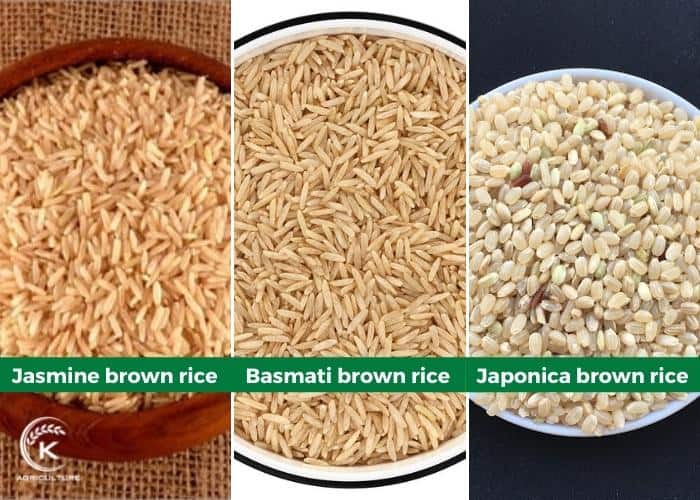
There are many varieties of brown rice available on the wholesale market today. Because brown rice is just the name of the rice that has not been processed and milled, but only the husk is removed, so as many types of white rice there will be brown rice.
The famous varieties of brown rice are:
- Jasmine brown rice
- Basmati brown rice
- Japonica brown rice.
All these types of brown rice are sweet, nutty, high-export value rice that is very popular with traders
6. Brown Rice Benefits
Brown rice with high nutritional value has helped users gain a lot of benefits, especially health benefits.

- Brown rice is very good for the heart.
Because of the original nutrient content that is not processed, people who eat brown rice often feel healthier and more supple than usual. Maintaining the habit of eating brown rice is also a goal of many customers around the world.
- Not only good for the heart, but brown rice is also famous as an effective food for dieters. Most people who are in a weight loss regime will choose brown rice as starch to supplement energy for the body.
Just 1/2 bowl of rice is enough for the body to feel full, limiting the weight loss person to get more energy from other foods, thereby promoting a healthy weight loss process.
- Not only used as a food, this whole-grain variety can also be milled or processed into drinks such as rice milk or rice water, both of which are considered very good for health.
This drink not only has a refreshing effect but also adds energy to the body thanks to its natural sweetness. The most famous are Vietnamese Blood Dragon brown rice milk or brown rice juice in convenience stores in Thailand.
7. What are The Differences Between Brown Rice vs White Rice?
Here are some differences between brown rice and white rice:
- Color:
Brown rice color is very different from white rice. True to its name, brown rice is brown, sometimes black, because brown rice is unprocessed rice, and still has the husk, so it will be rich in color. White rice is rice that has been milled and processed, so it will have a white, glossy color.
- Texture:
Brown rice is usually harder than white rice because the characteristic of brown rice is that only the husk has been removed, so it will not be as flexible and soft as white rice. To make the rice soft and supple, soak the rice before cooking for about 30 to 45 minutes.
- Taste:
White rice usually has a sweeter taste than brown rice, because milled rice will be more flexible and softer because it has been processed and processed with other processes. Brown rice usually has no taste or can be difficult to eat if not familiar.
- Fragrant:
Usually, rice that has only been husked, will still have impurities around the rice, so brown rice usually has no odor or very little smell, it is difficult to capture the smell of ordinary white rice
8. Brown Rice Market Landscape
8.1. Wholesale Prices of Different Types of Brown Rice
Brown rice prices for wholesale can vary widely based on factors like region, rice variety, production costs, and global demand.
- Jasmine Brown Rice: Jasmine brown rice is sourced primarily from Thailand and Vietnam, this rice has a floral aroma and sticky texture, pricing around $600–$650 per metric ton. Vietnam’s supply adds competitive options for buyers interested in Southeast Asian cuisine.
- Basmati Brown Rice: Basmati brown rice is valued for its long grains and nutty flavor, this rice from India and Pakistan typically ranges from $600–$700 per metric ton. Its distinctive aroma and aging process make it especially popular in Middle Eastern and South Asian markets.
- Japonica Brown Rice: With short, round grains and a soft, sticky texture, Japonica brown rice is priced between $550–$600 per metric ton.
High-quality brown rice is priced higher than white rice due to its nutrient-rich bran layer and minimal processing.

8.2. Brown Rice Leading Market
The world’s largest brown rice distribution markets are undoubtedly the world’s largest white rice distribution markets, including Vietnam, Thailand, and India.
Similar to the white rice market, although the consumption is not as much as white rice, brown rice from the distribution markets in this material area is chosen by traders for their wholesale rice business model.
With modern and advanced technology and the world’s leading cheap export rice price with standard rice quality, Vietnam is currently one of the most trusted wholesale brown rice export markets.

9. K-Agriculture – leading Vietnamese brown rice supplier
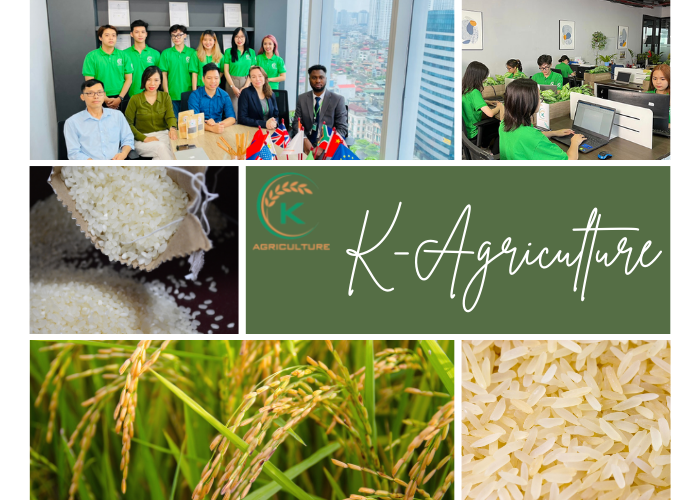
K-Agriculture is one of the leading Vietnamese exporters of agricultural products. Equipped with modern manufacturing facilities, and having long experience in producing and exporting agricultural products, K-Agriculture specializes in producing brown rice and has become a big supplier of brown rice to many nations, including Africa, the USA, Asia, and the Middle East. The factory not only provides brown rice but also supplies other high-quality rice such as Japonica, ST24, ST25, ST 21 rice, OM504 rice, OM5451 rice, and DT08 rice at reasonable prices.
Contact us now to get the best advise for your brown rice need via:
- WhatsApp: +84855555837
- Email: info@k-agriculture.com
- Website: k-agriculture.com
In conclusion, this article provides you with the information you need to know about brown rice. Hope you find this article useful. Please leave a comment for further explanation from experts from K-agriculture which is one of the biggest factories in agriculture in Vietnam!

Website: k-agriculture.com
In conclusion, this article provides you with the information you need to know about brown rice. Hope you find this article useful. Please leave a comment for further explanation from experts from K-agriculture which is one of the biggest factories in agriculture in Vietnam!