
 +84855555837
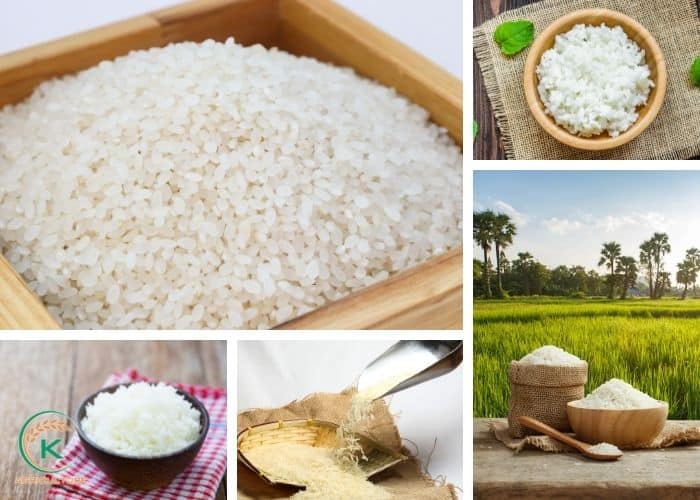
White rice is probably the most familiar type of rice with family members and is almost impossible to “abstain” from the daily meal. White rice is popular because of its health benefits and making delicious dishes.
1. What is white rice?
White rice is a processed grain that has its hull, bran, and germ removed, leaving the starchy endosperm. It is a common staple, is lower in fiber and nutrients compared to brown rice, but is often enriched with B vitamins and iron, cooks faster, and is easier to digest, making it suitable for people with digestive issues.
White rice is the food that almost everyone consumes every day but seemingly, we do not have an overview of white rice.
Because the husk, bran, and germ of the grain are removed during the preparation of white rice, white rice is also known as pureed or fully polished rice. The process of milling and polishing loses many nutrients in the rice grain, so white rice limits the penetration of microorganisms and harmful insects, so it has a longer shelf life than brown rice and paddy.
2. Main Types of White Rice for Export
White rice comes in a wide range of varieties. Customers’ favorite rice items are listed below.
2.1. Long grain white rice
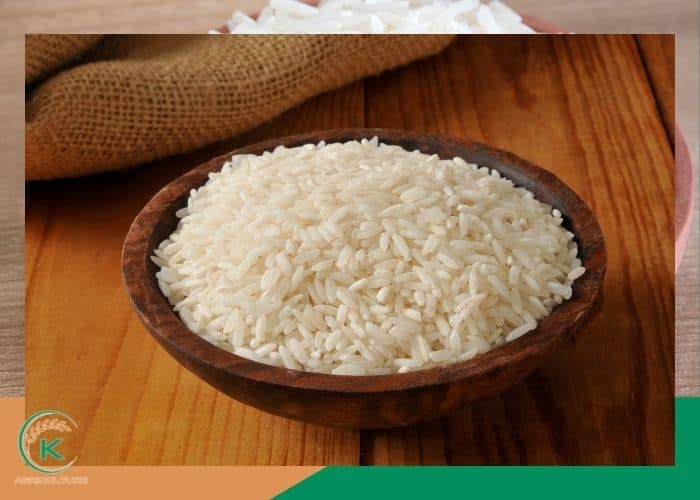
Long-grain white rice has slender kernels that stay separate and fluffy after cooking. It is the most common type used in international trade thanks to its high yield and easy storage. In the export market, Vietnamese long-grain white rice is favored for its consistent quality, bright appearance, and competitive price. It is suitable for markets in Africa, the Middle East, and Southeast Asia.
Some well-known lines of long grain white rice include ST rice, jasmine rice, and basmati rice. At least once, these rice varieties have been named the world’s most delectable rice. The length of long grain white rice in bulk is 8mm.
2.2. Medium grain white rice
Medium-grain white rice features shorter, wider grains that become slightly tender and sticky after cooking. It is often used by food processing factories for snacks, instant rice, or mixed grain products. Exporters usually supply this type to East Asian or Mediterranean markets where texture and taste balance are important.
Sakura rice and Vietnam Bac Huong rice are two well-known names for medium grain white rice. The average length of long grain rice and short grain rice is elongated in this variety of rice. After cooking, the grain rice has a good balance of stickiness and fluffiness.
Specifications: 5%–25% broken, moisture ≤ 14%, polished and double-sortexed.

2.3. Short grain white rice
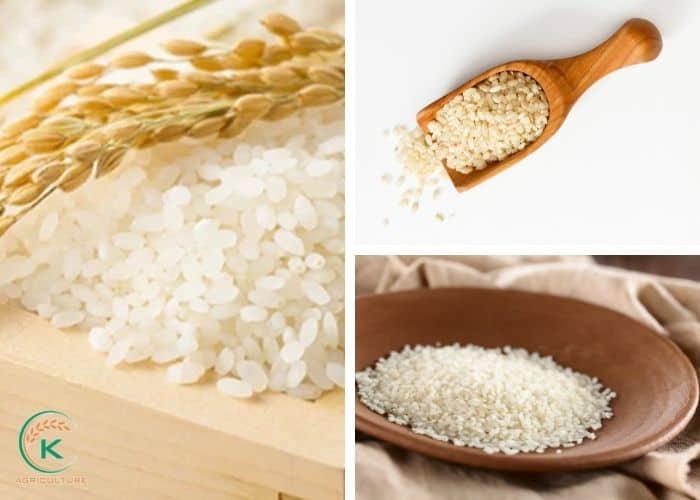
Short-grain white rice is round and plump, known for its sticky texture. This variety is mainly exported for sushi, sake, and specialty food manufacturing. It has lower production volume compared to long-grain but higher value due to niche demand. Vietnam and Japan are among key suppliers.
Short grain white rice has a high starch content that causes the rice grains to stay together. The sticky texture and equally expanded grains are distinctive, imparting a distinct flavor to meals like Sushi and Paella – Spanish paella.
Specifications: 5% broken, high amylopectin content, moisture ≤ 14%.
2.4. Jasmine White Rice
Jasmine white rice, also called fragrant rice, is a premium variety recognized for its natural aroma and soft, slightly sticky texture. Vietnam’s Jasmine rice competes directly with Thai Hom Mali on quality but offers more affordable pricing for importers. It is one of the top-exported rice types from Vietnam to the EU and African markets.
Specifications: 100% pure Jasmine, 5% broken, fragrance certified, polished and sortexed.

2.5. Basmati White Rice
Basmati white rice originates mainly from India and Pakistan but is also processed and traded by Vietnamese exporters. It has extra-long grains and a distinctive aroma, popular in Middle Eastern, South Asian, and European cuisines. For B2B buyers, Basmati offers high profitability due to strong retail demand and premium positioning.
Specifications: Long slender grains (8.2 mm+), aged for 1–2 years, 0–5% broken, low moisture.

Read more: Vietnamese white rice: Things to know about this famous type of rice
3. Advantages and disadvantages of white rice
Nowadays, healthy eating methods aimed at ensuring health safety as well as weight loss have become a current trend, especially among young people. In which there are many people instructing on “removing starch” by “forgoing white rice”, is this really good for the body?
3.1. Advantages of white rice
White rice is widely used in many other countries around the world. Here are some amazing health benefits of eating white rice.
- The main benefit of white rice is that it is rich in important vitamins and minerals needed by the body. For example, iron is an essential mineral involved in red blood cell production. We must consume 18mg of iron every day, and the iron content in white rice is only 0,2 mg. Iron deficiency can cause harmful effects such as dizziness, heart palpitations.
- White rice has skin advantages, protects Alzheimer’s disease, has diuretic and digestive properties, and boosts metabolism. Rice can improve cardiovascular health, reduce Irritable Bowel Syndrome symptoms, avoid persistent constipation, and regulate body temperature.
- White rice calories is about 200 for a cup of cooked rice, about four grams of protein, 44 grams of carbohydrates, and less than one gram of fiber, according to the Department of Agriculture. That’s about the number of carbs in three slices of white bread.
- Enriched white rice does include folate (folic acid), which is beneficial to pregnant and breastfeeding women. Folic acid aids in the production of DNA and other genetic material, as well as cell division.

3.2. Disadvantages of white rice
Few people know that the commonly consumed white rice has some negative effects on human health.
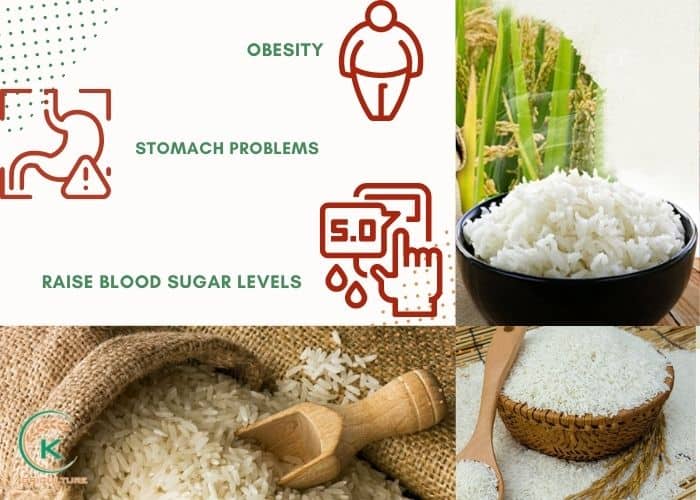
- Obesity is frequently associated with white rice. Despite the fact that white rice is a good source of energy, it can make you gain weight because when we eat a huge amount of white rice, that is, take in more carbohydrates than needed, the excess glucose in the blood will not be absorbed by the cells. The body can also convert this excess glucose into fat acids and keep it as fat acid in the body.
- One of the main disadvantages of eating rice is its low fiber content compared to brown rice. White rice contains only 0.9 grams of fiber, while brown rice provides about 1.8 grams. This lack of fiber can lead to constipation and poor digestion if consumed regularly. Moreover, the refined carbohydrates in white rice may cause stomach discomfort or bloating for some people.
- Because white rice has a high glycemic index (the glycemic index of white rice is 89 while brown rice is 50), it can raise your blood sugar levels. Limiting your intake of white rice can help you maintain a healthy blood sugar level. As a result, it best to eat less white rice, especially if you have type 2 diabetes.
4. Differences between white rice and brown rice
Many people still believe that eating brown rice is healthier than white rice, let’s put these two most popular kind of rice into comparison!
4.1. Main features of white rice and brown rice
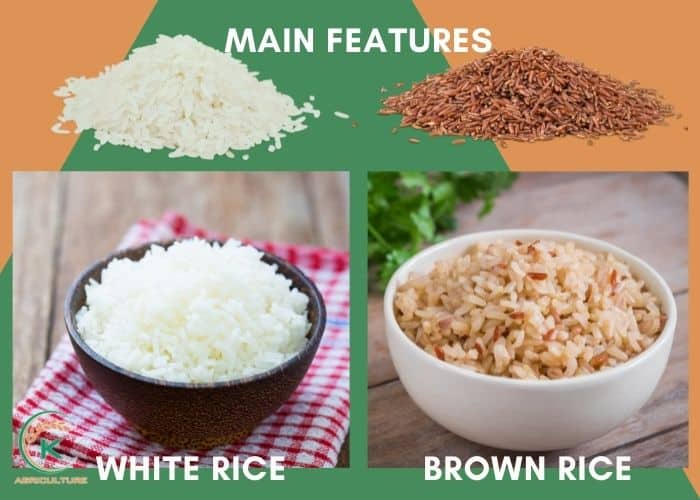
White rice has been milled and undergone a refining process to remove the husk, bran and germ. This can help increase the shelf life of white rice, it inadvertently loses many important nutrients, such as fiber, minerals and vitamins. In addition, this white rice is also polished to make the white rice grain brighter and more attractive.
Meanwhile, brown rice is one of the whole grains. Brown rice consists of bran fiber, rice germ and carbohydrate-rich endosperm. As a result, brown rice often contains more nutrients than white rice, including fiber, magnesium, iron, thiamine and zinc.
4.2. Nutrition of white rice and brown rice
There are many nutrients in white rice vs brown rice but the content is somewhat different between them.
- Fiber: The fiber in brown rice is usually 1.8 grams more than white rice (0.9 grams). In fact, fiber is a nutrient that plays an important role in the digestive system, helping to relieve constipation. Besides, it also brings certain benefits to overall health, including
- Selenium: Compared with white rice, the amount of selenium present in brown rice is larger. This is a substance that plays an integral role in the production of thyroid hormones, helps improve immune system health, and is an antioxidant.
- Manganese: Brown rice is a good source of this mineral (45% of the RDI), while white rice is deficient in manganese (18% of the RDI).
- Magnesium: Unlike white rice (2% of the RDI), brown rice is also rich in magnesium. The average serving of cooked brown rice (1⁄2 cup) can meet about 11% of the recommended daily magnesium intake.
- Folate: White rice is an excellent source of folate for the body. On average, one cup of white rice contains 195-222 micrograms of folate, equivalent to half of the recommended daily requirement. Folate has a key role in making DNA and some other genetic material.

5. Health benefits of white rice and brown rice
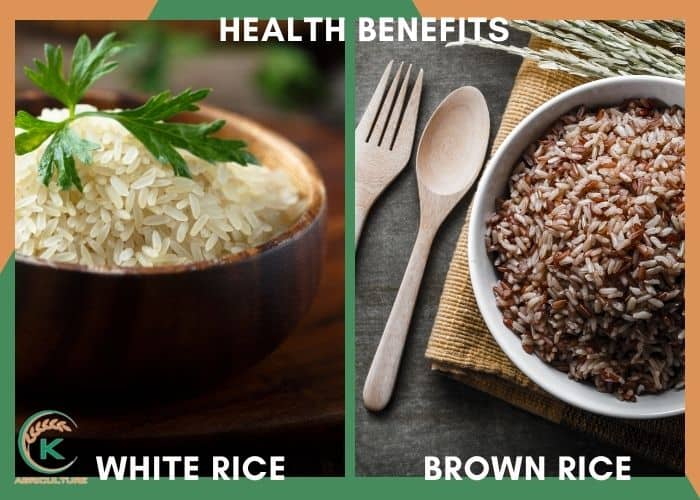
If you eat more white rice, the risk of diabetes will be higher, because white rice is in the food group with a high glycemic index. Meanwhile, eating brown rice on a more regular basis will lower blood sugar levels in type 2 diabetes patients, and also reduce the risk of this disease. However, in some cases, white rice is a better choice than brown rice. A low-fiber diet can slow down the digestive tract, allowing the intestines and abdomen to rest. These diets can relieve uncomfortable symptoms caused by Crohn’s disease, ulcerative colitis, and other digestive disorders.
6. Channels to buy white rice
People are becoming more health-conscious, so not only do they have convenient places to buy rice but they also pay attention to the quality of authentic rice in the shopping malls.
- In grocery stores and supermarkets
Because of its popularity, white rice is now exhibited and sold at every grocery store. Many different brands of high-quality white rice can be found in supermarkets. Customers should be careful, however, of phony products with similar packaging.

- Through e-commerce platforms
Because white rice is consumed all over the world, the easiest way for international clients to find white rice sellers is through e-commerce platforms. eBay, Amazon, etc are just a few of the popular platforms where white rice can be found at various rates and quality levels.

- Through social media
Groups on Facebook or sales on Instagram are popular these days. White rice is a fundamental food that is consumed on a daily basis. As a result, users can buy white rice via social networking sites.

7. Popular white rice brands
Because more and more white rice brands with high-quality products and services are founded, white rice becomes more competitive. And here is a list of some reliable white rice brands for customers’ reference.
Read more: Wholesale rice distributors and must-know things
7.1. Bombay Market Basmati White Rice
Bombay Market Basmati White Rice is grown in the Himalayan region’s fertile soil. The cool, clear mountain air, plentiful streams, and rainfall provide ideal growth conditions for this premium Basmati rice, giving it its distinct flavor and aroma. Basmati rice is minimal in calories, fat, salt, and cholesterol, as well as having a great nutty flavor and firm texture.

7.2. K-Agriculture Jasmine rice
This brand offers high-quality Vietnamese jasmine white rice. The aroma and flavor of K-Agriculture Jasmine rice are exceptional, and it is GMO and HACCP certified. K-Agriculture jasmine rice is popular and consumed by many clients, with a 25-year history of delivering the best Vietnamese agricultural products to the world.
If you are interested in K-Agriculture’s products, feel free to contact us via:
- Email: info@k-agriculture.com
- Website: https://k-agriculture.com/
- WhatsApp: +84855555694
7.3. Agricole Thai Long Grain White Rice
During the milling process, the husks, bran, and germ are removed from Agricole Thai Long Grain White Rice. This type of white rice is grown in irrigated fields in Thailand’s central plain. Thailand has a high level of productivity. White rice is cultivated by farmers on a large scale every year. After cooking, this rice is non-sticky and volumized. It’s perfect for frying.
8. Why Choose Vietnamese White Rice for Your Business
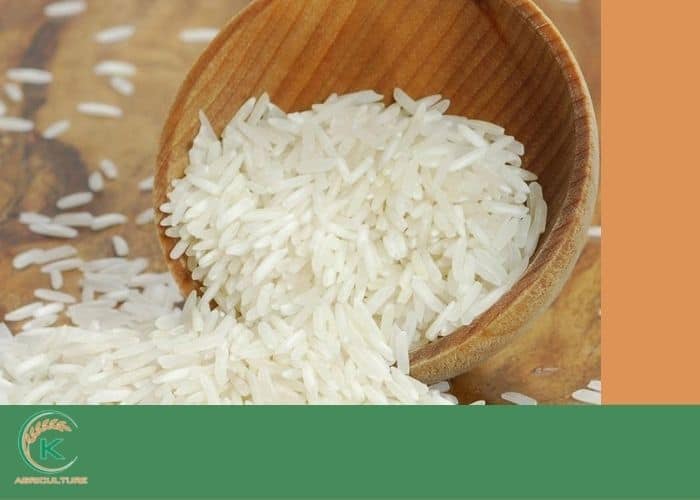
Vietnamese white rice is a preferred choice for global importers thanks to its stable quality, competitive pricing, and reliable supply. Grown in the fertile Mekong Delta, Vietnam’s rice maintains consistent grain size, purity, and texture that meet international standards such as HACCP, ISO, and HALAL. With strong production capacity and modern milling technology, Vietnamese suppliers like K-Agriculture Factory can provide bulk orders, OEM packaging, and flexible shipping options for businesses worldwide.
In addition to quality, Vietnamese white rice stands out for its excellent cost-efficiency compared to Thai or Indian rice, making it ideal for both wholesalers and retailers seeking profitable margins. Its wide range of varieties – from long-grain to fragrant Jasmine rice – allows buyers to tailor imports to their local market demands. For importers looking for a trusted, experienced, and well-certified partner, Vietnam remains one of the most reliable sources of white rice in the global trade market.

9. Top 5 Vietnamese White Rice Exporters
9.1. K-Agriculture Factory – Leading Vietnamese white rice exporter
K-Agriculture Factory is among Vietnam’s top exporters specializing in premium white rice and other agricultural commodities. Located in Hanoi, the factory operates with advanced milling and color-sorting technology that meets international standards such as HACCP, ISO, and HALAL.
With more than 20 years of experience, K-Agriculture supplies long-grain, Jasmine, and 5% broken white rice to markets in Africa, the Middle East, and Europe. The brand is known for its competitive pricing, stable output, and excellent export service.
For free consultation and special discount, contact us via
- Email: info@k-agriculture. com
- WhatsApp: +84855555837 (Ms. Kris)
- Website: kagriculture.crackoffice.site

9.2.Vinafood I & Vinafood II
Vinafood I and II are government-owned corporations and two of the largest rice exporters in Vietnam. They manage extensive milling systems and maintain strong connections with local farmers and cooperatives across the Mekong Delta.
Their large-scale production capacity allows them to fulfill massive government and institutional contracts worldwide, particularly for food security and humanitarian aid programs.

9.3. Sunrise Ins Ltd – Reputable private exporter
Sunrise Ins Ltd is a private enterprise with solid expertise in agricultural exports, especially white and fragrant rice. The company focuses on high-quality production, meeting the standards of demanding markets like the EU and the Middle East.

9.4. Angimex
Angimex (An Giang Import-Export Company) is one of the oldest and most trusted names in Vietnam’s rice industry. Established in 1976, the company operates multiple milling factories near major rice-growing areas, ensuring freshness and stable supply.

9.5. Trung An Hi-Tech Farming JSC
Trung An Hi-Tech Farming Joint Stock Company is a leading modern rice producer and exporter from Can Tho, Vietnam. It pioneers hi-tech rice cultivation and sustainable farming, providing high-quality white rice that meets global standards.

10. FAQs
What are the main types of white rice exported from Vietnam?
Vietnam exports a wide range of white rice varieties, including long-grain, medium-grain, short-grain, Jasmine, and 5% broken white rice. Each type fits specific import markets — for example, Jasmine for the EU, and 25% broken for Africa
Do the disadvantages of eating rice include weight gain?
Yes, eating too much rice can contribute to weight gain. Since white rice is rich in refined carbohydrates and low in fiber, it digests quickly and can make you feel hungry sooner, leading to overeating.
What are the standard export specifications for white rice?
Typical specs include:
- Broken rate: 5%, 15%, or 25%
- Moisture: ≤14%
- Foreign matter: ≤0.1%
- Polishing: double-sortexed
- Packaging: 5kg–50kg PP or OEM bags for retail
What is the average export price of white rice from Vietnam in 2025?
As of 2025, Vietnamese white rice prices range from $520–$650 per metric ton (FOB) depending on type, broken percentage, and destination market. Jasmine and fragrant rice types are priced higher due to premium demand.
How can international buyers import white rice from Vietnam?
The process includes:
- Contacting verified suppliers
- Requesting quotation (FOB or CIF)
- Confirming samples and quality specs
- Signing export contract and arranging payment (T/T or LC)
- Shipping and receiving export documents (Invoice, CO, Phytosanitary, Packing list)
11. Conclusion
White rice is beneficial for your health if consumed properly. Consumers should grab enough knowledge about white rice to lead a good life. We hope you found our article informative and helpful. If you have any questions, please feel free to leave a comment below, and K-agriculture, one of the leading rice factories, will be happy to provide you with further explanations free of charge.