
 +84855555837
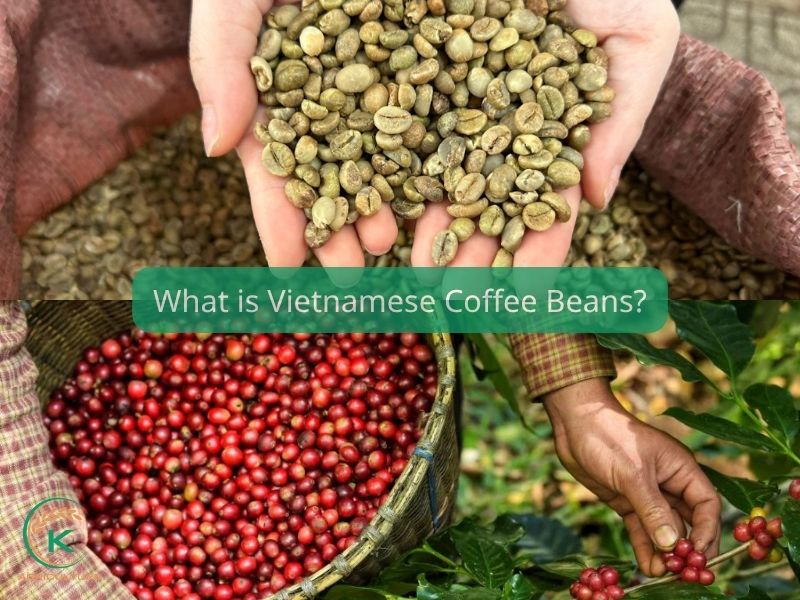
Vietnamese coffee beans have earned a special place on the world coffee map for their bold flavor, rich aroma, and diverse varieties. From the fertile highlands of Vietnam to cafés around the globe, each bean tells a story of culture, history, and craftsmanship. In this guide, we’ll explore the fascinating history of Vietnamese coffee, discover the main bean types like Robusta, Arabica, and Excelsa, and help you choose the perfect beans for your taste or business needs.
1. What is Vietnamese Coffee Beans?
Vietnamese coffee beans are best known for their bold Robusta variety, which offers a strong caffeine kick and a distinctively bitter taste. In recent years, however, Arabica Vietnamese coffee beans have gained remarkable growth in both production and export, especially within the global specialty coffee market. Across Vietnam, cafe like The Workshop and Shin Coffee proudly serve blends made from Arabica and Catimor beans, showcasing the country’s evolving coffee culture.
Brands such as Vietnam Coffee Republic highlight premium single-origin Arabica Vietnamese coffee, while Copper Cow Coffee masterfully blends Robusta and Arabica Vietnamese coffee beans to create a smooth yet authentic flavor that represents the true taste of Vietnam.
2. The Essential Role of Vietnamese Coffee in Today’s Coffee Market
Vietnam is the world’s second-largest coffee producer after Brazil, supplying around 40% of the global Robusta coffee market. This dominant position makes Vietnamese coffee essential to the world’s coffee trade, shaping availability, pricing, and quality standards. In just the first two months of 2025, Vietnam earned $1.58 billion from coffee exports, contributing to annual revenues of over $7.5 billion. Behind these figures are millions of farming families in the Central Highlands whose livelihoods rely on coffee cultivation and whose work influences the price of every cup served worldwide.
When Vietnamese coffee prices surged to $5,575 per ton in early 2025-up 76% from the previous year the impact rippled across global markets from Germany to Japan to the U.S. Vietnamese coffee is more than an export product; it’s a cornerstone of the global beverage industry, powering everything from instant coffee brands to specialty cafés around the world.

3. What Makes Vietnamese Coffee Distinctively Different
Vietnamese coffee beans have a distinctive flavor profile that sets them apart from any other origin-bold, earthy, nutty, and chocolatey. This signature taste comes mainly from Robusta Vietnamese coffee beans, which contain nearly twice the caffeine of Arabica, giving a strong and energizing kick. Beyond the beans, Vietnam’s iconic phin filter brewing method and the classic Cà Phê Sữa Đá (coffee with condensed milk) define the country’s coffee culture, loved worldwide.
Today, Vietnamese coffee beans are entering a new era of quality. Once seen as commodity coffee, they are now gaining recognition in the specialty scene, thanks to single-origin Robusta and high-quality Arabica from Da Lat. The rising prices of Vietnamese Robusta in 2024 reflect growing global appreciation and the country’s transformation from mass producer to specialty coffee pioneer.
4. History of Vietnamese coffee bean types
Vietnamese coffee bean types have been in Vietnam for a long time since the 19th century. After hundreds of years, coffee has become a cultural speciality of Vietnam and left a special mark on the whole world.
4.1. The first origin of Vietnamese coffee bean types
The first Vietnamese coffee bean type appeared in 1857 when French missionaries brought coffee plants to experiment in some northern provinces of Vietnam such as Thanh Hoa, Ninh Binh, and Ha Nam; and then spread to some central provinces, such as Quang Tri and Quang Binh. Finally, coffee was brought to the Southern provinces of the Central Highlands and the Southeast.

4.2. Vietnamese coffee bean types in the 20th century
In the early stages, Arabica was the only type of coffee and was grown mainly in the North. It was later discovered that the Central Highlands was the most suitable place to grow coffee. Nearly 50 years later, the two remaining Vietnamese coffee bean types, Robusta and Excelsa, were brought to Vietnam and planted by the French in the Central Highlands.
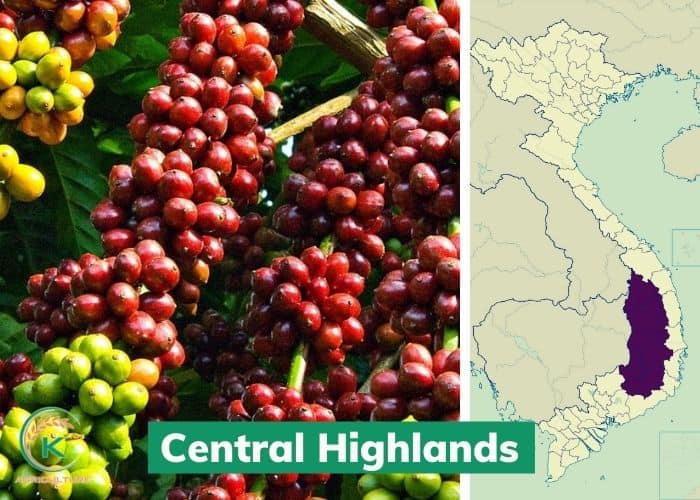
After many years of cultivation, Robusta beans have proven themselves to be the most suitable Vietnamese coffee bean type for natural conditions in Vietnam as they have grown and given good yield in the Central Highlands. Meanwhile, although Excelsa grows well, the economic value is low and Arabica has not obtained good results because it is easily infected with pests and is not suitable for Vietnam’s terrain.
See more: Things to know before buying Vietnamese coffee beans online
4.3. Vietnamese coffee bean types until now
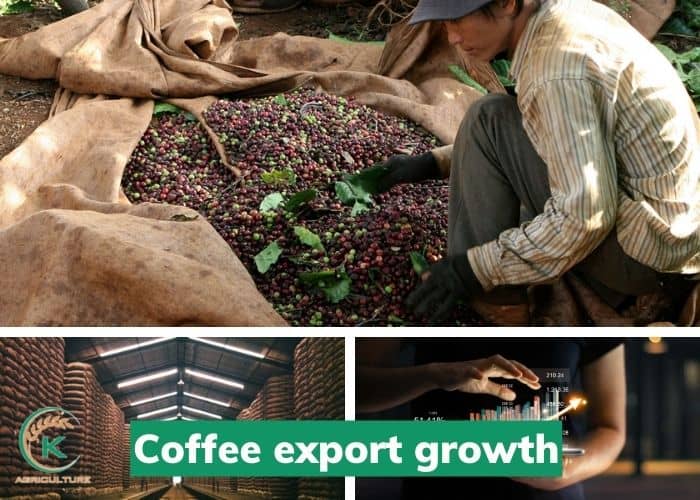
Since 1986, the Vietnamese government has focused its investment resources on the coffee sector, aiming to turn coffee into a key agricultural sector of the country. As a result, Vietnamese coffee bean production has exploded in terms of scale, output, and export value. Since the 1990s, Vietnam’s coffee production has grown by an average of 25% over the years, of which Robusta beans account for 95%. According to the General Statistics Office of Vietnam, this country has exported 1.25 million tons of Vietnamese coffee bean types, equivalent to $2.16 billion, thereby helping it maintain the number 2 position in terms of coffee exports.
5. Characteristics of Vietnamese coffee bean types
As mentioned, there are 6 main Vietnamese coffee bean types: Arabica, Robusta, Excelsa, Peaberry, Weasel, Elephant. South American coffee has clean, fruity, bright, acidic notes; acidity and fruity notes are typical flavors of African coffee, while Vietnamese coffee beans have bold characteristics of Asian lands with earthy or smoky profiles.
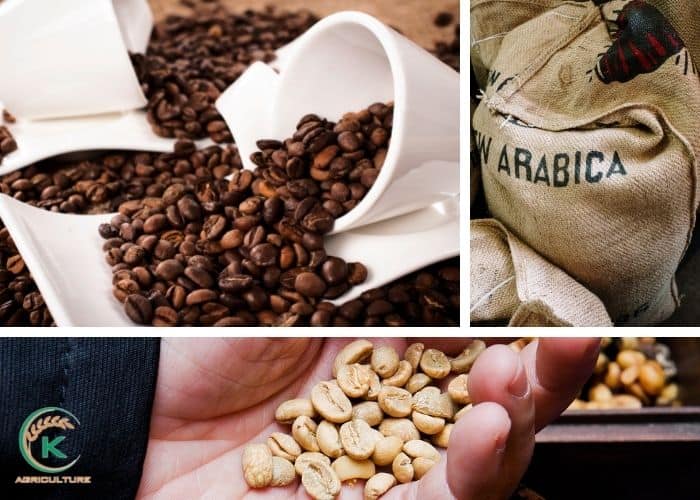
5.1. Arabica coffee beans – Highest value among Vietnamese coffee bean types
About 0.1 million tons of Arabica coffee beans are produced in Vietnam each year, accounting for 5% of Vietnam’s total coffee production.
5.1.1. Names and Characteristics
Arabica coffee beans can be called in many ways. In Vietnam, its name is “Ca phe che” due to the small stem, foliage, and low top of the coffee trees. In addition, Arabica coffee is also called Brazilian Milds if it comes from Brazil, Colombian Milds if it comes from Colombia, and Other Milds if it comes from other countries, including Vietnam.
5.1.2. Cultivation conditions
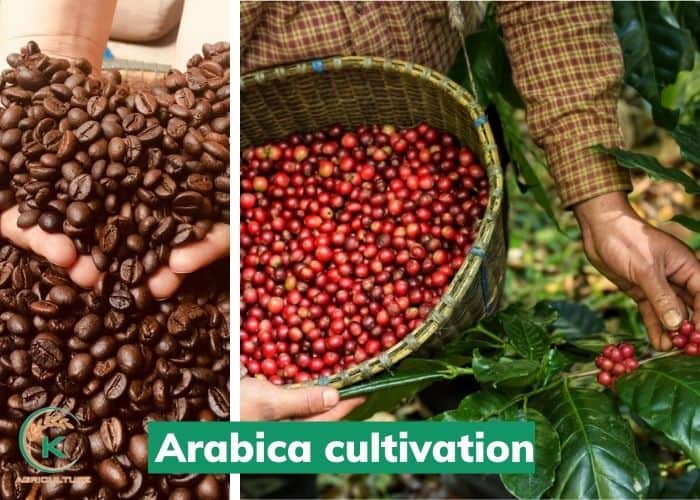
Among Vietnamese coffee bean types, Arabica coffee beans live in the highest mountainous areas. It is usually grown at an altitude of 1000-1500m and prefers a temperature from 16-25°C with rainfall over 1000mm. Arabica coffee berries are oval, each containing two coffee beans. Vietnamese Arabica coffee beans can be harvested after 3 to 4 years of planting. Usually, a 25-year-old coffee tree is considered to be old and cannot be harvested anymore, despite the fact that this Vietnamese coffee bean type can live up to 20 years more.
At K-Agriculture, we believe Vietnamese Arabica represents the future of Vietnamese coffee’s specialty market positioning. While Robusta will always form the production backbone, Arabica offers the complexity and international recognition that elevates Vietnam’s coffee reputation beyond commodity perception. For discerning coffee drinkers willing to invest in premium single-origin experiences, Vietnamese Arabica delivers remarkable value and authentic terroir expression.
5.1.3. Economical characteristics
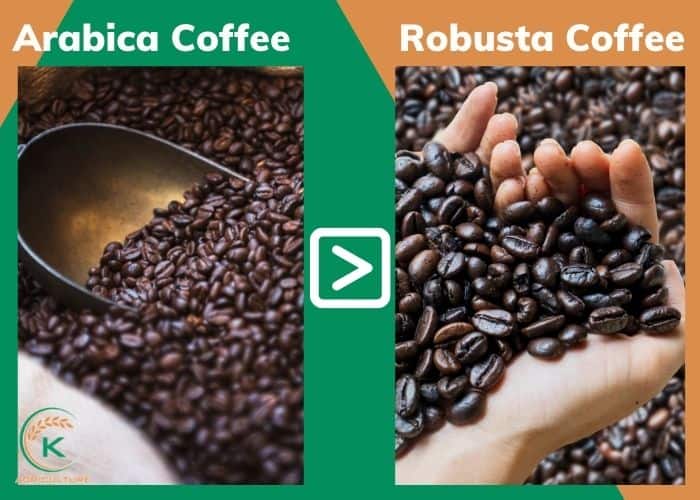
Arabica coffee beans are the most economically valuable species of Vietnamese coffee bean types. In the coffee trading market, Arabica coffee beans are valued higher than Robusta coffee beans because they have a more delicious taste and contain less caffeine content. Moreover, Arabica is susceptible to insect attacks, it is not as economical as growing Robusta coffee. But the demand for Arabica is bigger because it is the main ingredient in typical coffee dishes such as Espresso, Cappuccino,… Therefore, the economic value of Arabica coffee is much higher than that of Robusta.
A bag of Arabica coffee beans (60 kg) usually costs twice as much as a bag of Robusta coffee beans. The price of FOB Arabica coffee beans in Vietnam ranges from about $4,000 – $10,000 per ton depending on its quality. In particular, Vietnamese Arabica specialty coffee has the highest price because of its unique flavor, error-free beans, as well as the standards of cultivation, processing, and preparation that are all assessed according to SCA’s standards.
5.2. Robusta coffee beans – Most popular among Vietnamese coffee bean types
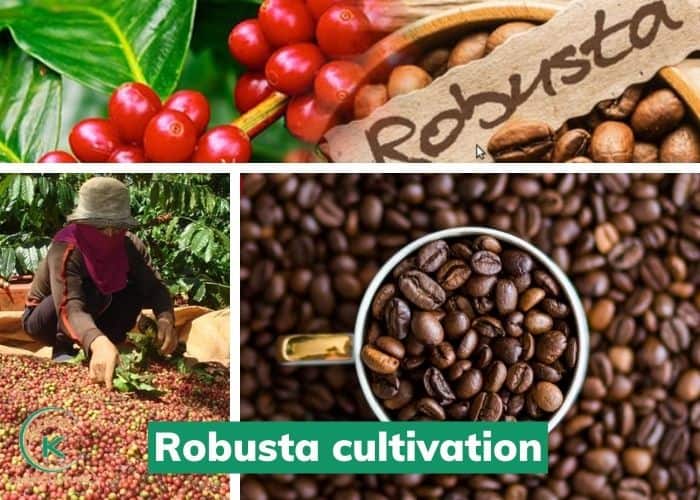
Vietnam is the second-largest coffee exporter in the world, but among Vietnamese coffee bean types, the main product is Robusta coffee with about 1.8 million tons per year, accounting for over 90% of annually Vietnamese coffee output.
5.2.1. Names and Characteristics
Robusta coffee in Vietnam is called “Ca phe voi” and is produced the most in Vietnam. Currently, Vietnam’s Robusta coffee accounts for more than 40% of the world’s coffee production, contributing to making Vietnam the second coffee exporting country in the world.
5.2.2. Cultivation conditions
Mature Robusta coffee bean trees can grow up to 10m tall. Coffee berries are usually in circular or egg shape, the coffee cherries are smaller than Arabica coffee beans. The caffeine content in Robusta coffee beans is about 2-4%, while it is only about 1-2% in Arabica. Like Arabica coffee beans, Robusta coffee beans trees from 3 to 4 years old can be harvested and usually produce coffee beans for about 20 to 30 years. The favorable condition for growing this Vietnamese coffee bean type is on the tropical mountain peaks with an altitude of 600-1000m above sea level. Robusta coffee beans prefer a temperature range of 24-29°C with a rainfall of over 1,000 mm. All of these are consistent with the natural conditions of the Central Highlands, thereby turning this place into the largest Vietnam Robusta green coffee beans production land.
5.2.3. Economical characteristics
Because of the high caffeine content of the coffee beans, the taste and purity of Robusta coffee beans are not as appreciated as Arabica coffee beans. The price of Vietnamese Robusta coffee beans is usually only half of Arabica coffee beans, about $3,000 – 4,000 per ton.
5.3. Excelsa coffee beans – The rarest among Vietnamese coffee bean types
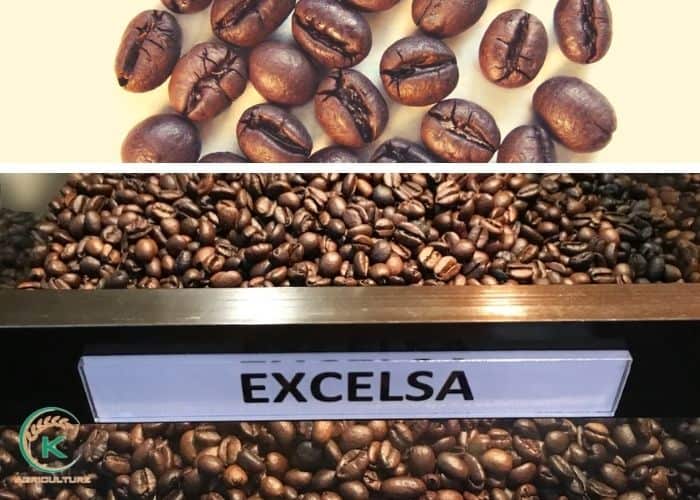
Excelsa coffee beans have the lowest productivity among the main Vietnamese coffee bean types, so many people do not pay attention to their existence. But with coffee farmers, Excelsa coffee trees are strong “protective shields” for coffee plantations.
5.3.1. Names and Characteristics
The last Vietnamese coffee bean type is Excelsa. The Excelsa coffee tree has a large trunk and wide leaves. It looks very similar to a jackfruit tree from afar, so in Vietnam, Excelsa is also known as “Ca phe mit”. Excelsa is classified as a sub-species of Liberica due to many similarities.
5.3.2. Cultivation conditions
Excelsa coffee beans grow best at an altitude of 1000-1300m above sea level, their suitable temperature is 16 to 29°C, and the required rainfall is 1000-1500mm. Excelsa coffee bean trees can reach a maximum height of 20m. The trunk, leaves, and coffee berries are all big, completely different from those of Robusta coffee beans. The tree is drought tolerant, requires little water, so it is often extensively planted, however, because of the poor productivity and strong sour taste, it was not popular and developed in the area. In the Central Highlands, this Vietnamese coffee bean type is harvested later than other coffee species because it needs rain water to bloom. Thanks to its characteristics of good growth and tolerance to harsh conditions, Excelsa coffee bean trees are often planted in rows with a distance of 5-7m per tree as a windbreak forest belt for Robusta crops.
5.3.3. Economical characteristics
Due to its high caffeine content and poor taste, Excelsa coffee beans is the lowest value among the three Vietnamese coffee bean types and it accounts for only a very small part of world coffee production. In addition to shielding the coffee plantations, Excelsa coffee is often mixed with Arabica and Robusta when roasting to diversify the flavor.

5.4. Peaberry coffee beans
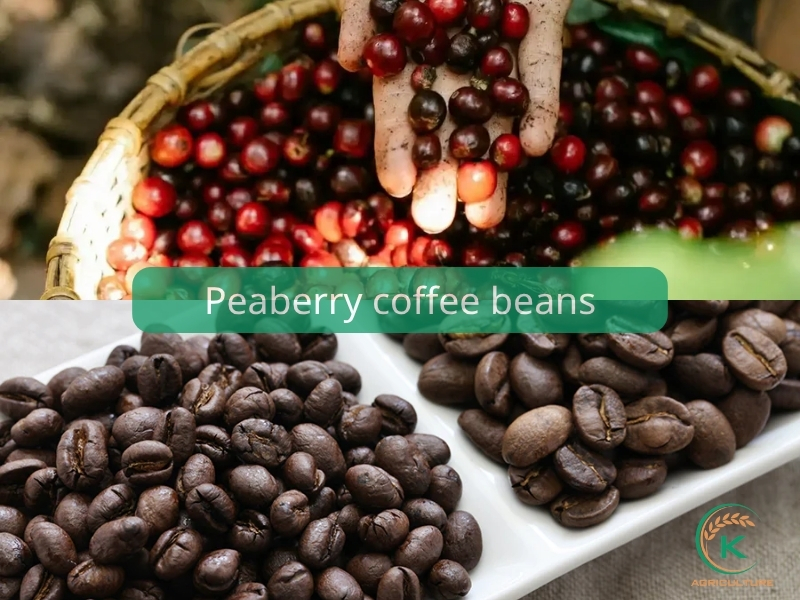
Among all Vietnamese coffee bean types, Peaberry coffee beans stand out for their distinctive round shape and concentrated flavor. Unlike regular coffee beans that form two flat halves inside the cherry, a peaberry develops as a single, dense, oval-shaped bean. This rare formation happens naturally in only a small portion of the total harvest-typically about 5%-making peaberries highly valued by coffee enthusiasts for their uniqueness and richer taste profile.
5.4.1. Names and Characteristics
The term “peaberry” (also known as “caracoli”) describes the small, round beans formed when only one seed grows inside the coffee cherry instead of two. This unique shape allows heat to distribute more evenly during roasting, enhancing the bean’s sweetness and intensity. Peaberry coffee can be found in both Arabica and Robusta varieties, but in Vietnam, it is primarily cultivated as Robusta peaberry, with occasional Arabica peaberry batches found in high-altitude regions like Da Lat and Son La.
5.4.2. Cultivation Conditions
In Vietnam, peaberry coffee beans are mainly produced in the Central Highlands, where Robusta dominates. These beans are not a separate species but a natural mutation that occurs randomly during the growing process. Farmers carefully sort them out during post-harvest processing due to their unique size and shape. Because peaberries are smaller, rounder, and denser, they require precise roasting conditions to unlock their full flavor potential-often described as richer, smoother, and more vibrant compared to regular Robusta beans.
5.4.3. Economic Characteristics and Usage
Although peaberry coffee beans make up a small fraction of total coffee production, their rarity gives them a higher market value. Coffee roasters prize them for their balanced acidity, smooth texture, and bold sweetness. Vietnamese peaberry Robusta, in particular, is gaining recognition in specialty markets for its distinctive taste and full-bodied flavor. Many local and international roasters blend peaberry beans with other Vietnamese coffee beans to enhance complexity and depth, making them a premium choice for both domestic consumption and export.
5.5. Weasel coffee beans – One of Vietnam’s most expensive coffee beans
Among all Vietnamese coffee beans, Weasel coffee beans (known locally as Cà phê Chồn) are the rarest and most luxurious. Their production process is entirely natural and highly unique – beginning with wild or farmed weasels consuming only the ripest, highest-quality coffee cherries. Inside the animal’s digestive system, the beans undergo a special fermentation process, during which natural enzymes break down proteins and reduce acidity, resulting in smoother and more complex flavors.
5.5.1. Names and Characteristics
Weasel coffee is also known internationally as Civet coffee or Kopi Luwak. The name “weasel coffee” comes from the small civet-like animals that play a key role in the fermentation process. The beans collected after digestion are carefully cleaned, sun-dried, and roasted to perfection. The resulting coffee is famous for its silky texture, low acidity, and distinct earthy, nutty, and chocolaty notes. These unique characteristics make weasel coffee one of the most exclusive products among Vietnamese coffee bean types.
5.5.2. Cultivation and Production Process
In Vietnam, weasel coffee beans are primarily produced in regions like Dak Lak and Lam Dong, where Robusta and Arabica are both cultivated. The process relies heavily on the natural feeding habits of the weasels, making production quantities extremely limited. After collection, the beans are meticulously washed, dried, and roasted using traditional methods to preserve their delicate flavor balance. The entire process – from feeding to roasting – is done under strict hygiene standards to ensure both safety and quality.
5.5.3. Economic Characteristics and Market Value
Because of its rarity and labor-intensive production, weasel coffee is among the most expensive coffees in Vietnam and the world, with prices reaching hundreds to thousands of dollars per kilogram. It is often sold as a premium gift or specialty export product that represents Vietnamese craftsmanship and natural coffee production. While some ethical debates surround the practice, reputable producers now focus on humane and sustainable weasel coffee farms, ensuring the welfare of the animals while maintaining the coffee’s exceptional quality.

5.6. Elephant Coffee Beans – A Rare and Exotic Vietnamese Coffee
5.6.1. Names and Characteristics
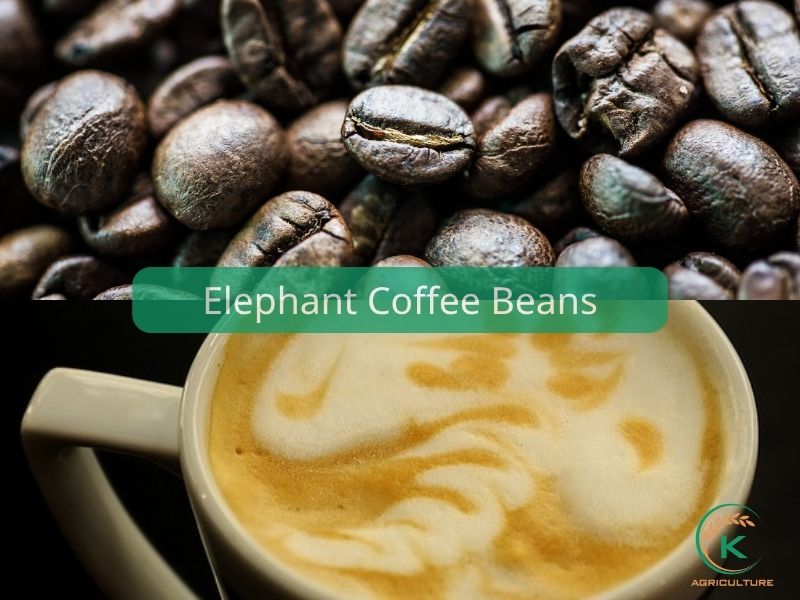
Elephant coffee beans (Cà phê voi) are among the most distinctive and luxurious Vietnamese coffee beans. Their production begins with elephants consuming ripe Arabica coffee cherries mixed with fruits such as sugarcane, banana, and pineapple. During digestion, natural enzymes interact with the beans, breaking down proteins and reducing bitterness. This process gives the coffee its smooth texture, earthy aroma, and mild sweetness, offering an exceptionally rich flavor unlike any other variety.
5.6.2. Cultivation and Production Process
The production of elephant coffee beans is extremely limited and requires careful handling. After the beans are excreted, farmers collect, wash, dry, and roast them under strict hygiene and quality standards. The fermentation that occurs inside the elephant’s digestive system enhances the coffee’s natural sweetness and depth, making it one of the most complex flavor profiles among Vietnamese coffee bean types.
5.6.3. Economic Characteristics and Market Value
Due to its rarity and time-consuming process, elephant coffee is considered one of the world’s most expensive coffees, often priced at hundreds of dollars per kilogram. It is mainly produced in small quantities in regions like Dak Lak and Lam Dong, serving both as a luxury export and a symbol of Vietnam’s creativity in premium coffee production.
6. Which Vietnamese coffee bean types should you choose?
There are no absolute recommendations for this question. Different coffee beans will satisfy different tastes, so it is important that you know exactly what you like. Think about how you want your coffee to be – hot or cold, sweet or bitter. Typically, if you prefer warm, sweet, and well-balanced coffee, then products made from Arabica beans like Cappuccino will be an ideal choice. If you are a fan of coffee with ice, immersed in the cool, refreshing, and bold taste, then you should consider Robusta, the soul of the famous traditional Vietnamese iced coffee. Drinking coffee is all about finding what suits you, so try different things and enjoy your discovery.

7. Where to buy Vietnamese coffee beans?
7.1. Domestic Vietnamese Sources (Local and Direct Options)
Vietnam offers many direct and local buying options for Vietnamese coffee beans, ideal for freshness and authenticity.
- Direct-from-Producers: Buy straight from coffee estates in Dak Lak, Lam Dong, or Son La for the freshest beans and better prices. However, international buyers may face language barriers, shipping costs, or minimum order quantities.
- Vietnamese Cooperatives & Direct Trade: Groups of small farmers selling collectively with transparent pricing and ethical trade. Usually require 5–10 kg minimum per order and handle international shipping.
- Local Coffee Shops (Hanoi, Ho Chi Minh City, Da Lat): Allow tasting before purchase and provide locally roasted beans at competitive prices.
- Farmers’ Markets: Best prices during harvest season (Oct–Jan), though quality may vary, so inspection is recommended.
7.2. International Online Retailers (Specialty Coffee Vendors)
For international consumers, several trusted online retailers supply authentic Vietnamese coffee beans:
- Nguyen Coffee Supply: Premium Vietnamese Robusta ($15–25/lb), transparent farmer partnerships, worldwide shipping.
- Copper Cow Coffee: Ready-to-brew instant coffee packets ($8–12/box), convenient for busy consumers.
- Chus.vn: Curates 50+ Vietnamese producers with detailed profiles and international delivery.
- Hello5Coffee: Offers B2B and B2C options, competitive wholesale pricing, and export documentation.
As one of Vietnam’s leading agricultural exporters, K-Agriculture supplies premium Vietnamese coffee beans – including Robusta, Arabica, and specialty types such as Peaberry and Excelsa – to global markets. The brand partners with certified farms in Dak Lak and Lam Dong, ensuring consistent quality, competitive pricing, and international logistics support for wholesale buyers.

7.3. Mainstream Online Platforms (Easy Global Access)
- Amazon: Wide range of Vietnamese coffee, but verify brand authenticity; prices range $5–40/lb.
- Walmart / Target: Limited selection, reliable sourcing, but freshness may vary.
- Asian Grocery Platforms: Offer more authentic Vietnamese brands, good for smaller household orders.
8. Top Trusted Vietnamese Coffee Brands and Exporters
When buying authentic Vietnamese coffee beans, choosing a reliable brand or exporter ensures quality, freshness, and true origin. Below are some of the most reputable names in Vietnam’s coffee industry:
- Trung Nguyên Legend: Vietnam’s most recognized coffee brand, known for its signature “Cà Phê Sữa Đá” and strong roasted Robusta blends. Offers retail and international distribution.
- K-Agriculture: A leading bulk coffee exporter specializing in Robusta, Arabica, and specialty beans. Certified by the Ministry of Industry and Trade, K-Agriculture supplies to over 50 countries with stable quality and competitive pricing.
- Vinacafe: One of Vietnam’s oldest coffee producers, famous for its instant coffee lines and wide domestic reach. Trusted for consistent flavor and large-scale production.
- Nguyen Coffee Supply: A modern specialty coffee brand promoting sustainability and direct trade with Vietnamese farmers, focusing on premium Robusta.
- Vietnam Coffee Republic: Known for single-origin Arabica and high-quality roasted beans, representing the new wave of Vietnam’s specialty coffee culture.
9. FAQs
Is Vietnamese coffee stronger than other origins?
Yes. Vietnamese coffee beans, mainly Robusta, contain 1.7-4% caffeine versus 0.8-1.4% in Arabica, giving a stronger kick and bolder taste. However, it’s less acidic and complex than Ethiopian or Kenyan coffees – “strength” depends on personal preference.
Can I make authentic Vietnamese coffee without a phin filter?
Yes. You can use a French press, espresso machine, or pour-over, but the phin filter delivers the most authentic flavor thanks to its slow drip extraction and oil preservation.
Does Vietnamese coffee go bad quickly?
Whole beans stay fresh for 2-4 weeks after roasting, while ground coffee lasts only 3-7 days. Store in an airtight, cool, dark place. Always check the roast date, not the “best by” date.
How much does authentic Vietnamese coffee cost?
Prices range from $8-12/lb for standard coffee, $15-40/lb for specialty, and up to $300/lb for ultra-premium types. Vietnamese coffee offers strong value compared to similar-quality global coffees.
What makes Vietnamese coffee taste different?
Its bold, earthy, nutty, and chocolatey notes come from Robusta beans, volcanic soil, and dark roasting traditions. Combined with condensed milk and the phin brew, it creates a uniquely rich, full-bodied flavor.
Is Vietnamese Arabica considered specialty coffee?
Yes. Da Lat Arabica scores 85-88 on the SCA scale, qualifying as specialty-grade coffee. It’s lighter, fruitier, and more floral than Robusta, offering a premium and limited-production experience.
Can I buy green (unroasted) Vietnamese coffee beans?
Yes. Many exporters, including K-Agriculture, sell green coffee beans in bulk for roasting at home or industrial use. They’re ideal for businesses or roasters seeking custom roast profiles
10. Conclusion
Vietnamese coffee beans reflect Vietnam’s rich culture and craftsmanship. From bold Robusta to aromatic Arabica and rare types like Excelsa or Weasel coffee, each bean carries a unique story of flavor and tradition. As the world’s second-largest coffee producer, Vietnam continues to gain global recognition for its quality and diversity. Choosing authentic, sustainably sourced Vietnamese coffee beans means experiencing the true essence of Vietnam in every cup.
At K-Agriculture, we’re honored to share Vietnamese coffee with the world. We believe coffee drinkers deserve transparency about where their coffee originates, how it’s produced, and what impact their purchases create. We’re committed to connecting Vietnamese coffee producers with international consumers who appreciate quality, authenticity, and fairness.
If you want to learn more about Vietnamese coffee or start to run a coffee trading company, please check out the website of K-Agriculture – one of the best agricultural factories or contact me at +84855 555 837 (WhatsApp available)