
 +84855555837
Uncover the truth about Japanese star anise in this captivating exploration. Delve into the age-old question of whether this aromatic spice is poisonous or harmless.
While star anise may not rank among the most frequently utilized spices in the culinary realm, its distinct and invigorating flavor sets it apart. Renowned for its warm and characteristic taste, star anise adds a unique aroma to dishes, courtesy of its primary compound, anethole. Beyond its culinary appeal, star anise also holds medicinal value, known for its potential to alleviate cold symptoms, enhance immune function, alleviate joint pain, and provide a range of beneficial nutrients.
Chinese star anise (Illicium verum), finds its main cultivation in select southern Chinese provinces like Guangdong and Guangxi, as well as northeastern Vietnamese provinces such as Lang Son, Cao Bang, Quang Ninh, Bac Can, Lai Chau, and Ha Giang. It is important to differentiate this edible and medicinal star anise variety from the Japanese star anise, which should not be consumed, used in beverages, or relied upon for therapeutic purposes. Let’s delve into the specifics and explore the characteristics of Japanese star anise.
1. What is Japanese Star Anise?
Illicium anisatum, also known as the Japanese star anise, aniseed tree, and sacred anise tree, is a tree that is closely related to the Chinese star anise (Illicium verum). In Japan, it is referred to as shikimi (樒、 シキミ ). The fruit is not edible due to its high level of toxicity; instead, Japan uses the dried, powdered leaves as incense. Due to their resistance to insects and capacity to stay fresh after pruning, its branches and evergreen leaves are highly revered by Japanese Buddhists.
Japan is the origin of Illicium anisatum. Although it resembles Chinese star anise, its fruit is smaller and has a weaker aroma that is said to be more akin to cardamom than anise. Its seeds have been employed as a fish poison, a natural agricultural pesticide, and to deter animals from digging in the grounds of Japanese cemeteries due to their deadly nature. Since it should not be consumed internally, its seeds have also been used medicinally to treat dermatitis and toothaches topically.
2. What Does Japanese Star Anise Look Like?
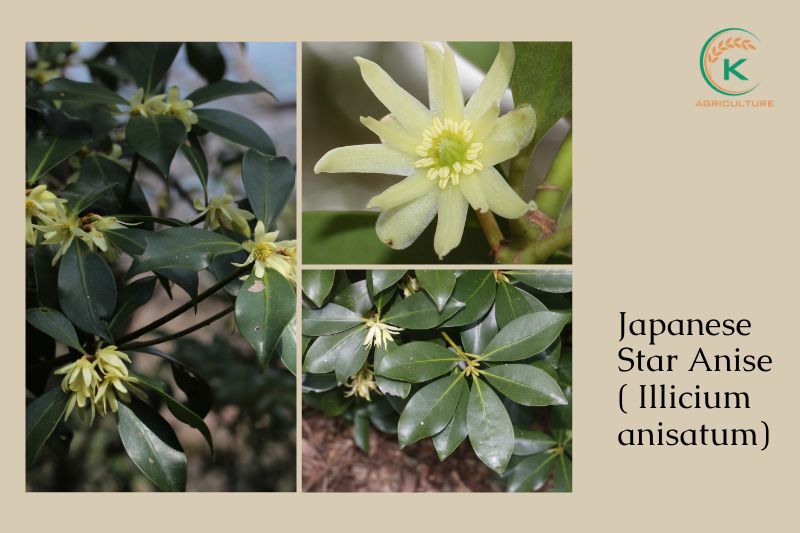
Japanese star anise is a shrub with an average height of 3 – 4 meters like the anise of Vietnam or China. Outstanding Japanese star anise plants can grow up to 5 meters or more depending on weather conditions as well as topography and care.
Their flowers are light green, very eye-catching, lightly fragrant, clustered together from 6 to 8 flowers. Anise fruit is smaller than Vietnamese star anise, the aroma is weak and mild, not as strong as our country’s. This scent is quite similar to the scent of cardamom.
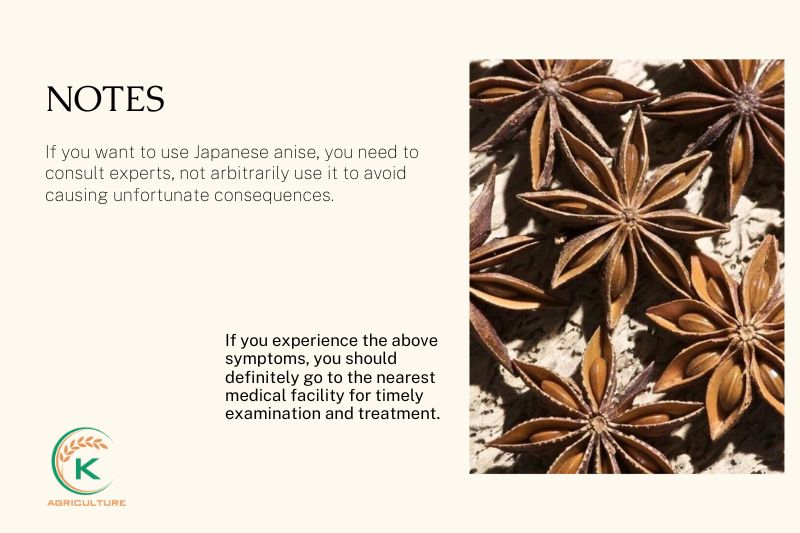
Both Chinese and Japanese star anise trees produce fruits that are star-shaped and red-brown in color. However, compared to Chinese star anise fruits, Japanese star anise fruits are a little bit smaller in size. Japanese star anise has a faint, weak aroma that is similar to that of cardamom and is not as potent as Chinese star anise.
It is challenging to distinguish Japanese star anise from Chinese star anise by sight due to their comparable physical characteristics. Only botanical microscopy will allow for an unambiguous identification of them.

3. Is Japanese Star Anise Poisonous?
Yes, Japanese star anise is poisonous and unsafe for consumption. It contains toxic compounds that can seriously harm the body. Unlike the widely used Chinese star anise (Illicium verum), which is generally safe for consumption, Japanese star anise contains toxic compounds that can have detrimental effects on the body.
3.1. Toxicity of Japanese Star Anise
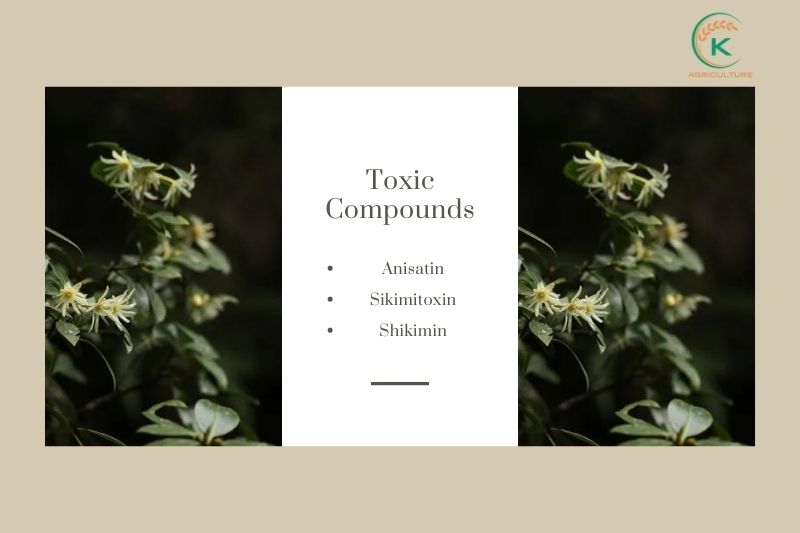
Anisatin, Shikimin, and Shikimitoxin, which severely irritate the kidneys, urinary tract, and digestive organs, are found in Japanese star anise.
Safrole and eugenol, which are chemicals not found in the edible Chinese star anise and are used to determine its toxicity, are other compounds found in hazardous species of Illicium. Shikimic acid is named after the Japanese name of the plant and is also a component of Japanese star anise.
3.2. Japanese Star Anise Poisoning Symptoms and Side Effects
While intentionally consuming Japanese star anise should be strictly avoided, there have been instances where culinary anise has been contaminated with this toxic variety. In 2003, the Food and Drug Administration (FDA) issued a warning advising consumers to steer clear of all anise teas. This precautionary measure was prompted by cases where 40 individuals, including 15 infants, exhibited signs of illness after consuming anise tea.
Anise tea is typically used to alleviate colic, gas, and digestive discomfort. It was discovered that Japanese star anise had somehow been mixed with Chinese anise in the tea. Since then, the FDA has been closely monitoring star anise imports to prevent mislabeling of Japanese anise as a food product.
Symptoms associated with Japanese star anise toxicity include seizures, inflammation of the urinary and digestive tracts, and kidney problems. These symptoms typically manifest within six hours of ingestion and commonly begin with diarrhea and vomiting. Without seeking medical attention for these initial symptoms, respiratory system paralysis can ultimately lead to fatality.
If you have recently consumed an anise product and experience any signs of illness, it is crucial to promptly consult a doctor or visit the emergency room.

4. What is Japanese star anise used for?
Because of its toxic properties, the seeds of Japanese star anise have found utility as a fish poison, natural agricultural pesticide, and deterrent for animals digging in Japanese graveyards. Additionally, these seeds have been applied medicinally in the treatment of toothaches and topical dermatitis. It is important to note that Japanese star anise is not suitable for internal use.
NOTES: If you want to use Japanese anise, you need to consult experts, not arbitrarily use it to avoid causing unfortunate consequences. If you experience the above symptoms, you should definitely go to the nearest medical facility for timely examination and treatment.
For other purposes, use Chinese star anise. Star anise offers a delightful addition to various culinary creations, beverages, and herbal remedies. In recent years, the United States government has taken proactive measures to prevent the misidentification of the two star anise species in food products.
There is no need to discontinue the use of anise products as long as reasonable precautions are taken. It is advisable to purchase star anise or star anise tea from reputable and trustworthy companies that you are familiar with and have confidence in. By ensuring these safeguards, you can continue to enjoy the benefits of star anise without concerns about potential mix-ups.
In addition to the distinction between Japanese star anise and Chinese star anise, star anise sourced from Vietnam has also gained significant recognition. Vietnam has earned a global reputation for its substantial export volume and exceptional quality of star anise. K-Agriculture takes pride in being one of the premier agricultural factories responsible for producing the highest quality star anise in Vietnam.
The star anise we offer is sourced from the Lang Son and Quang Ninh growing regions. With its rich oil content, powerful aroma, and intense, spicy flavor, our star anise is crafted to satisfy even the most discerning customers. We adhere to rigorous international standards and employ sustainable agricultural practices to guarantee the quality of our products. Our star anise is carefully packaged in cartons (10kg per unit), woven bags, or customized according to the specifications provided by our customers.
Contact us via:
- Email: info@k-agriculture.com
- Website: https://k-agriculture.com/
- Phone number: +84 84 4444 867 (Ms Camila)
5. FAQs
What is the difference between star anise and Japanese star anise?
The key difference lies in toxicity and use.
- Chinese star anise (Illicium verum) – edible, sweet aroma, used safely in cooking and traditional medicine.
- Japanese star anise (Illicium anisatum) – toxic, bitter smell, used only for incense or decoration.
Even though they look similar, only Chinese star anise is safe to consume. You can read more articles: Japanese Star Anise Vs Chinese Star Anise to understand the difference between these two types of star anise.
What happens if you eat Japanese star anise?
Ingesting it can lead to serious poisoning symptoms such as vomiting, muscle spasms, and convulsions due to its neurotoxic compounds.
NOTE: Stop consuming it immediately and get medical help as soon as possible. Bring the remaining product to the hospital to help identify the cause of poisoning. Do not self-treat or wait for symptoms to appear. Early treatment greatly reduces the risk of serious complications from star anise poisoning.
Is Japanese star anise safe for pets?
No. It’s toxic to both humans and animals and should never be used in pet food or herbal remedies.
Is Japanese star anise ever used in traditional medicine?
Yes, but only in some religious ceremonies or traditional Japanese medicine, not taken orally.
How to safely use Japanese star anise?
Only for non-edible purposes like incense or ornamental display. Always label clearly to prevent accidental ingestion.
6. Conclusion
Although Japanese star anise (Illicium anisatum) looks almost identical to the edible Chinese star anise (Illicium verum), it is highly toxic and must never be used in cooking or tea. Its poisonous compounds – such as anisatin and neoanisatin – can cause serious star anise poisoning symptoms, including seizures, vomiting, and liver damage.
To stay safe, always purchase verified Chinese star anise from trusted suppliers and check product labels carefully. Knowing the difference between these two species is essential to prevent accidental poisoning and ensure safe culinary use.