
 +84855555837
Basmati rice and jasmine rice are two of the most popular types of rice in the world. Both have their unique flavors and are widely used in various cuisines. But for those who are not familiar with the characteristics of each rice, it can be challenging to distinguish them.
In this article, we will take a closer look at the differences between basmati rice and jasmine rice. We will discuss their origins, appearance, taste, and other essential features to help you choose the right rice for your next meal. Whether you’re a food enthusiast or just want to try something new, read on to learn about basmati rice vs jasmine rice.
What is basmati rice?
Basmati rice is a long-grain rice variety that originated in the foothills of the Himalayas in northern India and Pakistan. The name “basmati” is derived from the Hindi word for “full of fragrance,” which speaks to the rice’s highly aromatic quality.
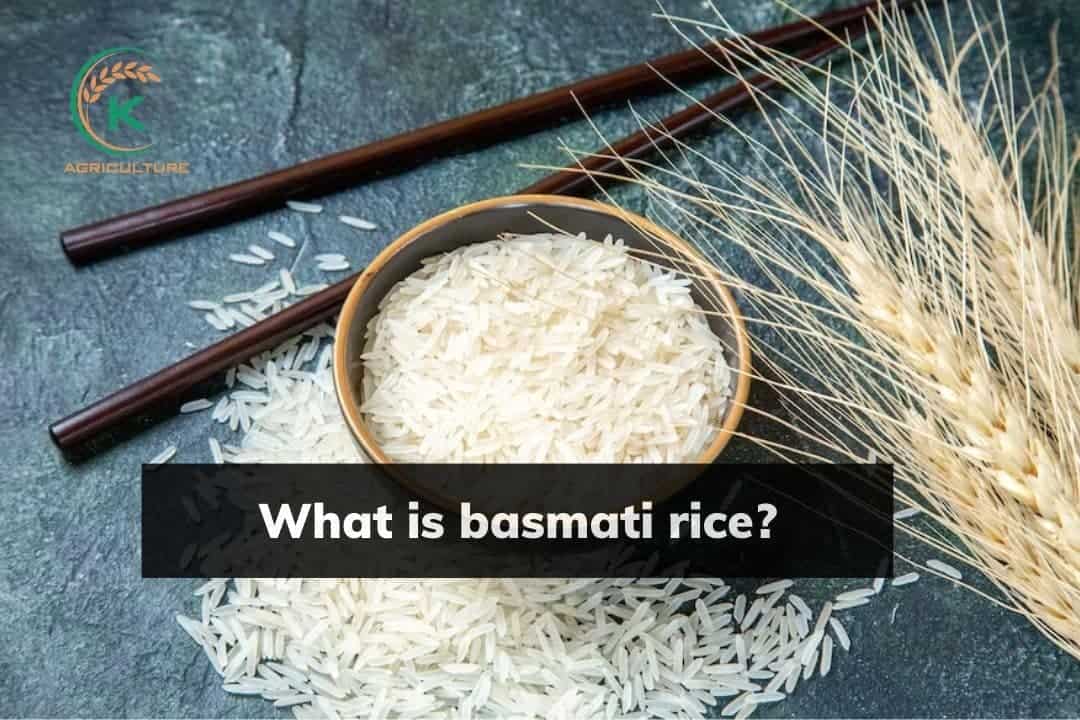
Basmati rice has been cultivated in India for centuries, with records of its production dating back as far as the 6th century. It was later introduced to other regions by traders, and it has since become a staple in Middle Eastern and Persian cuisines as well.
What is jasmine rice?
Jasmine rice is a type of long-grain rice with a pleasant aroma that is commonly found. The grains are lengthy, transparent, and shiny white. This rice has a soft, pliable texture and a naturally sweet taste that is enhanced by its fragrance, which resembles that of jasmine flowers. Although it is named after the jasmine flower, it has a fragrance similar to that of pandan leaves or popcorn. The rice has a short growing season of around 95-105 days and contains moisture, which causes it to soften when cooked. When cooked, the rice is sticky and aromatic, although it is not as sticky as glutinous rice.
How to distinguish basmati rice and jasmine rice?
There are basic factors that you can use to differentiate basmati rice and jasmine rice.
Appearance
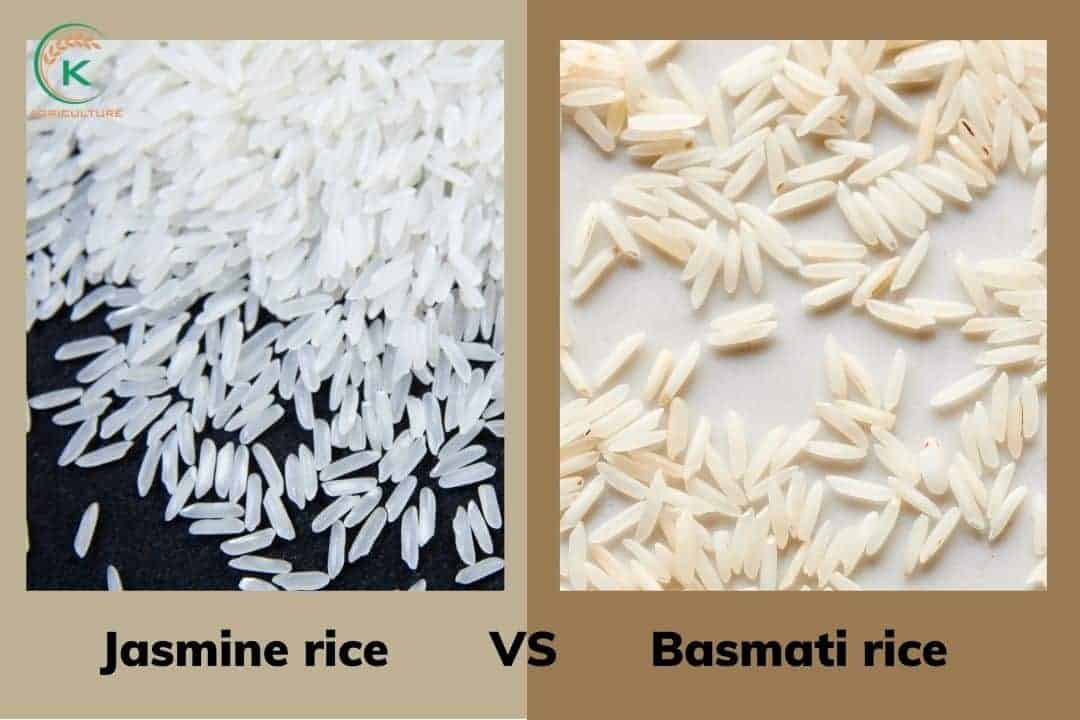
Both basmati rice and jasmine rice are long grain rice, but they differ in their grain shape. Jasmine rice grains are short, typically measuring about 7mm in length, and have a round tip. On the other hand, basmati rice grains are longer, typically measuring around 9mm in length, and have a sharp, pointed tip.
Structure
When it comes to cooked rice, the texture and structure are critical factors that set various types of rice apart. Jasmine rice or basmati rice is a long-grain variety that exhibit notable differences in texture due to their starch content.
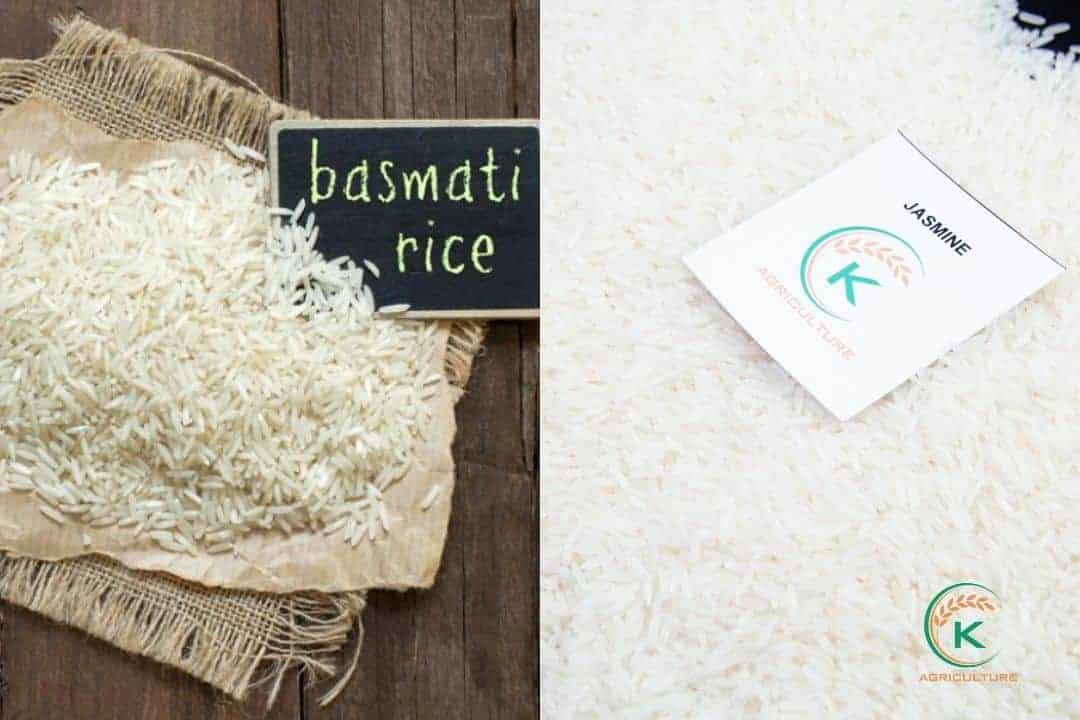
Jasmine rice is known for its stickiness when cooked, which is due to its higher amylopectin content. Amylopectin is a type of starch that is responsible for making rice grains stick together, resulting in moist clumps. This stickiness makes jasmine rice easier to eat with chopsticks than basmati rice, as the grains don’t separate as easily.
On the other hand, basmati rice contains more amylose in its starch content, which gives it a firmer and more distinct structure when cooked. This results in the signature fluffiness and individual grain separation that basmati rice is known for. The amylose content also makes it less sticky than jasmine rice.Overall, both jasmine and basmati rice have unique texture and characteristics, making them suitable for different types of dishes and cuisines.
Geographic popularity
Jasmine rice and Basmati rice are two distinct varieties of rice that have different geographic popularity. Jasmine rice is more commonly used in Southeast Asian countries like Cambodia, Vietnam, and Thailand, where it is often referred to as “Thai fragrant rice” due to its characteristic aroma. On the other hand, Basmati rice is more widely grown and consumed in Middle Eastern and Indian countries like India, Pakistan, and Nepal. Because of its popularity, jasmine rice is also one of the main exporting products of K-agriculture, a leading supplier of rice from Vietnam.
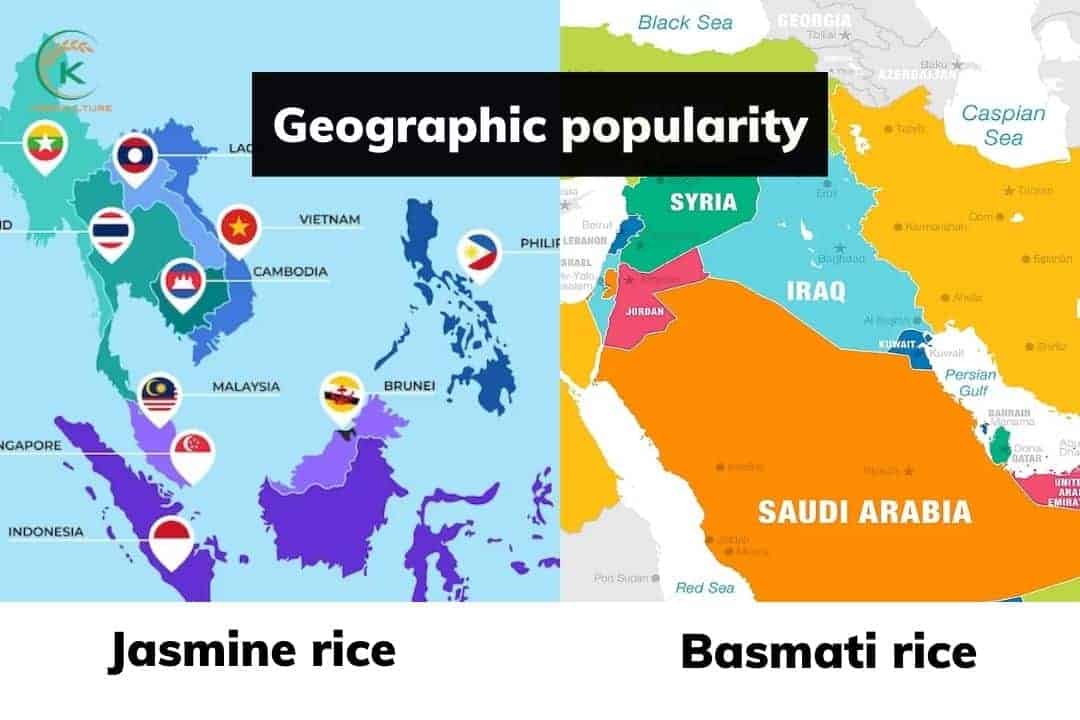
The unique flavor and fragrance of Basmati rice make it a popular ingredient in traditional dishes like biryani and pulao, while jasmine rice is a staple in Southeast Asian cuisine and often served alongside dishes like curries and stir-fries. Despite their differences, both types of rice have become increasingly popular in Western countries, where they are used in a variety of recipes and enjoyed for their distinct flavors and textures.
Aroma
Although jasmine rice may not have a floral taste, its aroma is certainly unique and distinctive. Compared to basmati rice, jasmine rice is slightly sweeter with a subtle nutty flavor. Its aroma is also distinct and adds to the overall experience of enjoying this rice.
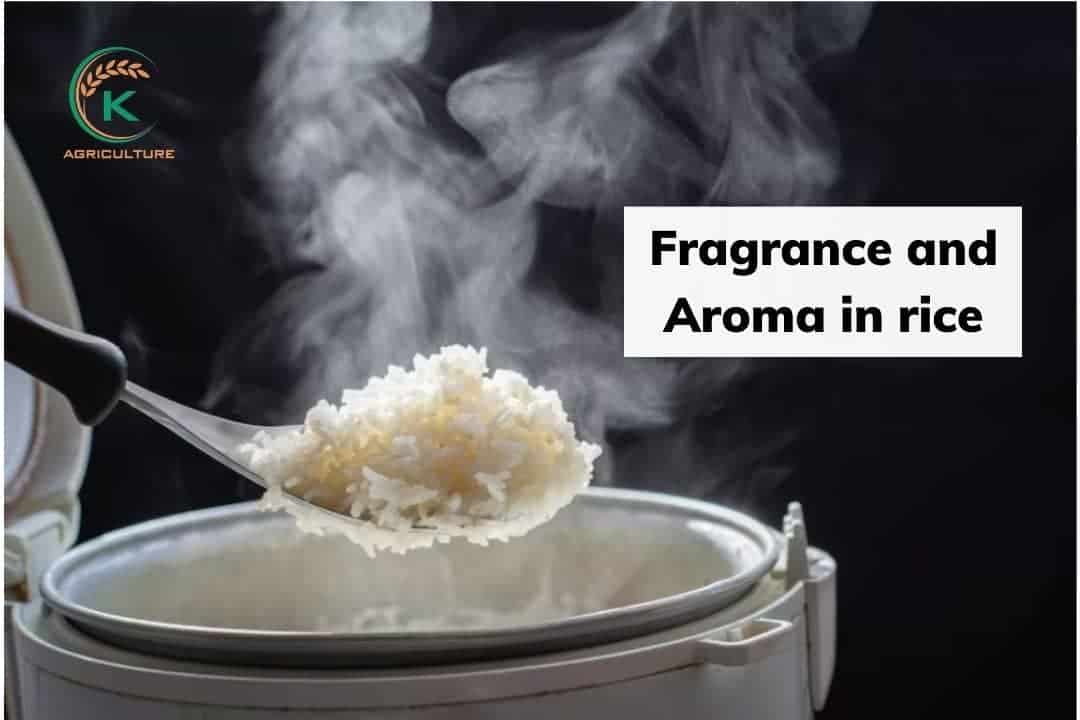
On the other hand, basmati rice is renowned for its fragrant aroma, which is where it gets its name. The aroma of basmati rice has been described as similar to freshly cooked popcorn, but with its own distinct scent. Along with its aroma, basmati rice has a nuttier taste that works well in various dishes.
Overall, both types of rice have their own unique characteristics, and it’s up to personal preference to determine which one is the best fit for each individual’s taste buds. We hope you find our article helpful and informative.