
 +84855555837
Nowadays, the market demand for Chinese star anise is increasing, along with numerous questions from consumers about this product. Therefore, K-Agriculture has synthesized knowledge related to Chinese star anise to introduce as well as answer everyone’s inquiries.
The following section will be the most important and basic information about the Chinese star anise that K-Agriculture has compiled to share with everyone. In addition, K-Agriculture has also compiled the common mistakes consumers make so that everyone can avoid making them again.
1. What is Chinese Star Anise?
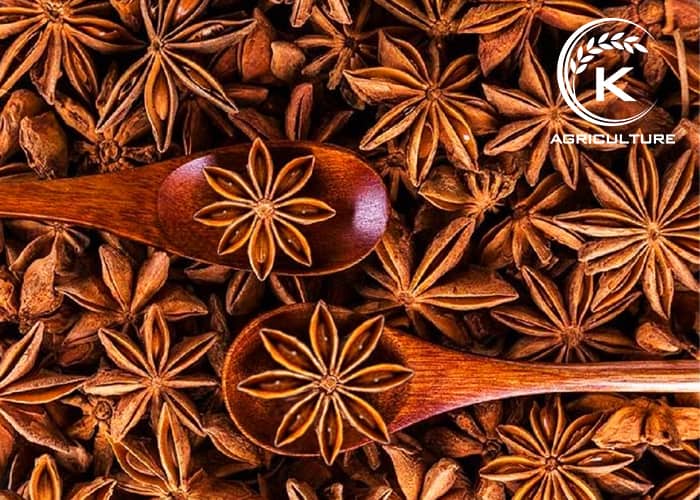
The Chinese star anise, scientifically known as Illicium Verum is a plant native to China and northeastern Vietnam. The characteristic of the Chinese star anise tree is that it has a rather small shape, only 6-10m, and the trunk is straight and smooth with a grey, brown colour. Usually, star anise will have 6-8 petals, arranged in a star shape with a diameter of 2.5 to 3 cm, each petal carries a small, smooth seed.
Most of the Chinese star anise flowers, after harvested, will be dried, exported as full pieces or processed into essential oils.
2. Difference between Japanese star anise and Chinese star anise
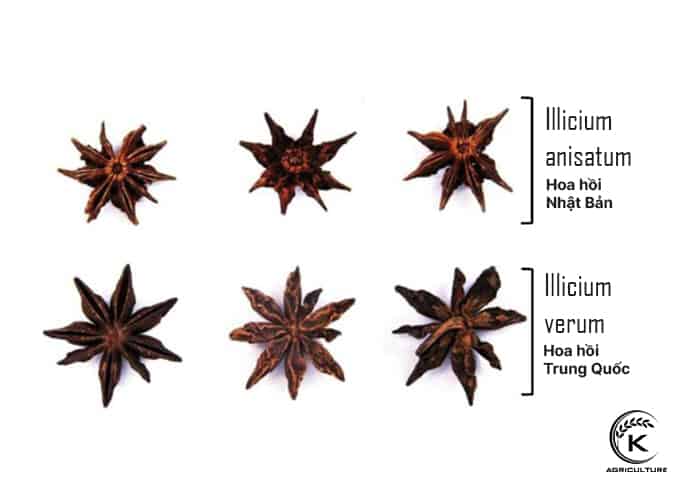
Currently, on the market, there are two main varieties of star anise, Chinese star anise and Japanese star anise. In terms of form, the appearance of these two varieties is quite similar and very hard to, but in terms of use, they are entirely different. The Japanese star anise, scientifically known as Illicium anisatum, is a 3.0-4.6-meter-tall shrub similar to the Chinese star anise.
Depending on weather conditions as well as topography and care, this plant can grow up to more than 5m. Japanese star anise is highly toxic, so it cannot be used as a spice or medicine like Chinese star anise. Normally, Japanese star anise is used as a burning incense, and it is called Sikimi. The scent of this star anise is quite fragrant, it is mild and fragrant for a long time, with just one or two petals of this Japanese star anise, the scent will linger all day.
3. Price of Chinese star anise in the market
The price of Chinese star anise varies depending on the season and market demand. Currently, fresh star anise is priced between $3.5 and $5 per kilogram, while the dried variety is more expensive, ranging from $8 to $11 per kilogram, depending on its quality and grade.
4. Method to select quality Chinese star anise
In terms of appearance, high-quality Chinese star anise should be firm and not crumbly. It needs to be harvested when the fruits are still rich in essential oil. The petals should look plump, and the larger and rounder the seeds are, the more it indicates that the spice was picked at full maturity with maximum oil content. Simply placing a few good-quality pods in a room can release a pleasant aroma instantly. When used in cooking, even one or two petals can enhance the flavor of dishes, especially in traditional Asian cuisine.
In addition, it is necessary to pay special attention to the supplier, and carefully check whether there are sufficient documents certifying the origin of the Chinese star anise.
5. The use of Chinese star anise in everyday life
Star anise is used in many filed such as culinary, medicine and cosmetics. The following sections will detail the whole star anise benefits in daily life and their value to consumers.
5.1. Can be used for medicinal purposes
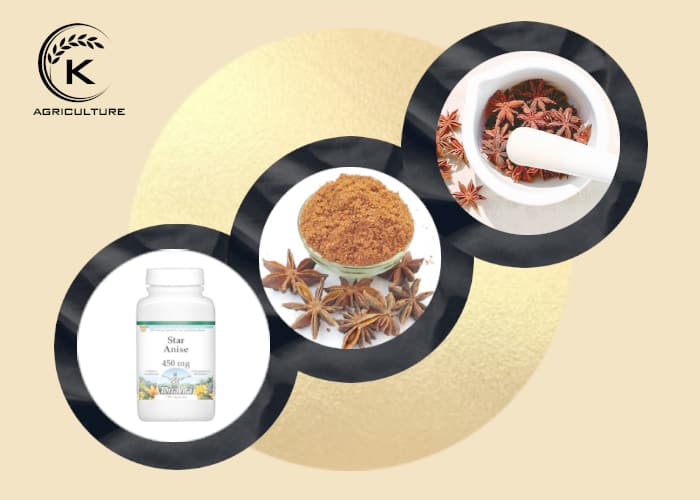
In Western medicine, Chinese star anise is used to aid digestion and relieve constipation due to its rapid effect on the nervous system and muscles, which helps ease pain and reduce spasms. In addition, it is also applied in the production of aperitifs and toothpaste, taking advantage of its pleasant aroma and natural therapeutic properties.
For Eastern medicine, Chinese star anise is often used to treat bloating, abdominal pain, vomiting, and detoxification of fish meat. However, depending on the natural disposition of each person, the doctor will prescribe medication.
5.2. Can be used as a cooking condiment
In Western medicine, Chinese star anise is commonly used to support digestion and relieve constipation, thanks to its quick effect on the nervous system and muscles that helps ease pain and reduce spasms. Additionally, this spice is sometimes added to aperitifs and toothpaste formulations for its aromatic and antibacterial properties.
5.3. Can be used to make skincare cosmetics
After being refined into essential oil, Chinese star anise can be used for beauty care. This essential oil is widely used in spas for facial steaming treatments. Moreover, it is very convenient to use at home – just add a few drops into a basin of hot water or a facial steamer. The rising steam, infused with the warm aroma of the spice, not only helps you relax but also removes dirt hidden deep within the pores.

6. The process of processing and producing Chinese star anise
To be able to produce high-quality anise, the growing process is extremely important. The following section will describe in detail the growing process as well as the processing process to create high-quality Chinese star anise before delivering it to the consumers.
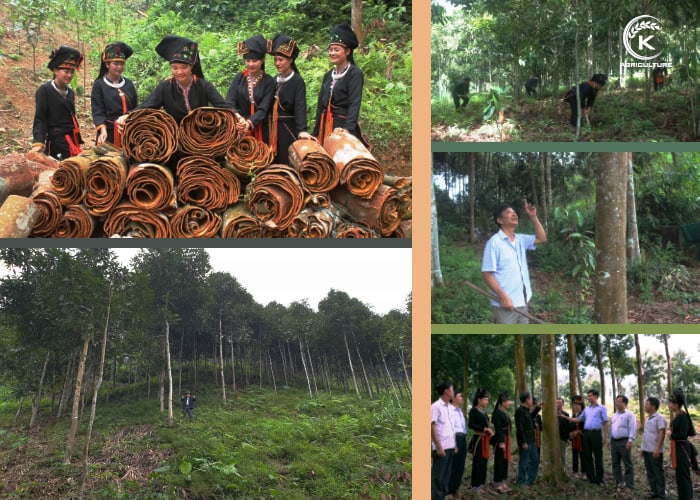
6.1. Planting at the Right Time
The best time to plant Chinese star anise is in spring or the rainy season. Besides the main season, Chinese star anise planted at the end of the year and in early spring still can be harvested off-season. However, the off-season Chinese star anise will be more expensive and will not be of the same quality as the main-season star anise.
6.2. Selecting and Sowing the Best Seeds
For any plant, selecting high-quality seeds is crucial. In the case of Chinese star anise, seeds should be taken from healthy mother trees that are over 10 years old and have already borne fruit. Ideally, the chosen pods should have between 8 and 11 petals. When the fruit turns from green to yellow, it signals the perfect time for harvest. After collecting, the pods should be stored in a cool, shaded place or dried under gentle sunlight in the early morning or late afternoon to facilitate seed separation. Within 4–5 days of drying, the seeds naturally detach from the fruit.
The next step is to store the Chinese star anise seed. The seeds should be stored in moist sand and must not be exposed to the sun, then placed in holes dug on the hillside, surrounded by kerosene to repel ants. In addition, to ensure the safety of the seeds, the outside will also be dug around to prevent rainwater from entering. The seeds will be checked every 2 weeks. This preservation method can keep seeds for a long time and the germination rate is up to 70-80%.
6.3. Ensuring Optimal Natural Growing Conditions
Water Conditions
For any type of cultivation, water is an essential factor — and Chinese star anise is no exception. During the early growth stage (from 1 to 3 years old), the plant requires abundant moisture, as it thrives in humid environments. Once mature (over 10 years old), it develops moderate drought tolerance and can flexibly adapt to varying water conditions.
Sunlight Conditions
When under five years old, young Chinese star anise trees should be shaded with tarpaulins to protect them from direct sunlight, which they cannot yet withstand. Around the age of eight, the trees begin to bloom, and their need for light gradually increases. By the time they reach 20 years or older, they require full sunlight exposure to grow and produce effectively.
Soil Conditions
Chinese star anise grows best in fertile soil with a thick top layer, a pH around 4.5, and a humus content above 3%. The soil should remain moist year-round and provide good drainage. It should not be planted in limestone, neutral, or sandy soils, nor in areas with thin layers prone to erosion. The ideal location is on hillsides with nutrient-rich, well-drained topsoil that supports strong, long-term growth.
6.4. Fertilizing for Healthy and Fast Growth
To revive good results, it is necessary to apply bio-organic fertilizers every year and NPK 12-12-17-9+TE (about 15-20 kg/tree) in the period before the plants bloom and after they bear fruit. When fertilizing, it is necessary to dig a trench around the canopy layers, spread fertilizer and then fill it with soil, remove weeds, vines, and shrubs around, and cultivate the roots.
6.5. The final step is to harvest and process Chinese star anise
The final stage of Chinese star anise production involves harvesting and preliminary processing. The trees typically bear fruit from March to May, and by July to September, the pods begin to ripen and are ready for harvest. Only trees that are at least five years old can produce fruit, with just two harvests per year, making this spice relatively rare. After being collected, the fruits should be dried immediately to extend their shelf life and prevent mold. Before drying, however, they are briefly dipped in boiling water to eliminate yeast. This process helps preserve a bright red color, though it slightly reduces the essential oil content.
On average, every 100 kilograms of fresh fruit yields about 25–30 kilograms of dried product.

7. How to distinguish real and fake Chinese star anise
For most people, distinguishing between genuine Chinese star anise and counterfeit ones can be quite challenging. Taking advantage of this, some dishonest traders exploit the confusion for profit. The authentic spice is often mistaken for Mangcao due to their similar appearance. However, identifying the difference is crucial – not only to avoid financial loss but also because the fake version (Mangcao) is highly toxic and can pose serious health risks to consumers.
7.1. Differences based on appearance
The fake Chinese anise (Mangcao), usually has 10 to 13 petals and is elongated. The petal will bend at the top. Real star anise has larger and fewer petals, usually from 7 to 10 petals. In addition, the petals of real Chinese star anise are also relatively flat and each petal has a seed that looks like an egg inside.

7.2. Differences based on colour
Another feature that you can rely on to distinguish real and fake Chinese star anise is their colour. The fake star anise flowers are mainly khaki-like, lighter yellow. Real Chinese star anise is usually reddish brown or crimson. It is easier to distinguish the colours if they are placed side by side.

7.3. Differences based on taste
Authentic Chinese star anise has a strong, pleasant aroma with a pungent yet slightly sweet flavor. In contrast, the fake version lacks this natural fragrance. When tasted, it can cause numbness of the tongue and leave a sour, unpleasant aftertaste. Some people who have mistakenly tried counterfeit star anise described its flavor as reminiscent of damp paper or even sewer water.
8. Where to buy high-quality Chinese star anise?
If you are in need of importing star anises, you can also consider trying Vietnamese anise, both are of the same species, but both have different characteristics due to being grown in different weather and soil conditions. Vietnamese star anise is famous for containing high levels of essential oils as well as tasting better than Chinese star anise. Above all, Vietnam is currently ranked 3rd in the world in terms of export volume of star anise, so you can completely trust the exportability of Vietnam.
One of the most prominent exporters of star anise in the Vietnam market is K-Agriculture, established in 1996 and supported by the Ministry of Industry and Trade of Vietnam, K-Agriculture is now considered a reliable partner providing high-quality Vietnamese agricultural products from rice, and spices to coffee. Among those products, star anise stands out the most with a large processing plant system in Hung Yen and a warehouse with a capacity of more than 21,000 tons. K-Agriculture is highly appreciated for its high-quality star anise in large quantities, exported to major markets such as India, China, Japan, etc.
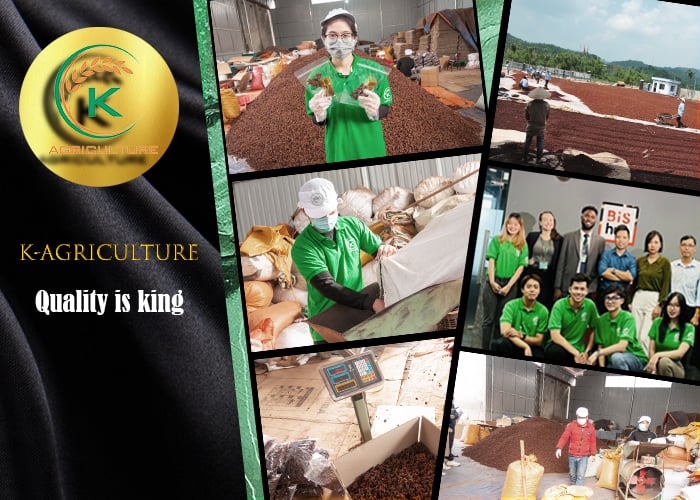
Being a giant in trading star anise products internationally in Vietnam – the biggest Vietnamese star anise exporter since 1996, K-agriculture is proud to bring buyers broken cinnamon with uniform quality standards and affordable prices.
For further details about the products and the best wholesale price, feel free to contact us:
- Email: info@k-agriculture.com
- Website: https://k-agriculture.com/
- WhatsApp: +84 855 555 837
9. FAQs
What does Chinese star anise taste like?
It has a warm, sweet, and slightly spicy flavor, similar to licorice, making it an essential spice in many Asian dishes.
What are the health benefits of Chinese star anise?
It contains antioxidants and antibacterial compounds that support digestion, improve respiratory health, and help fight infections. However, it should be consumed in moderation.
How should Chinese star anise be stored?
Keep the dried pods in an airtight container, away from moisture and direct sunlight, to preserve their aroma and flavor for up to one year.
Is Tamiflu made from star anise?
Yes. The antiviral drug Tamiflu (oseltamivir) was originally derived from shikimic acid, a compound extracted from star anise.
Is star anise related to cinnamon?
Although often used together in spice blends, star anise and cinnamon come from different plant families. They complement each other in flavor but are not botanically related.
10. Conclusion
Chinese star anise is more than just a spice – it’s a valuable agricultural product with rich flavor, diverse applications, and significant economic importance. From enhancing the taste of traditional Asian dishes to being an essential ingredient in medicine and cosmetics, this star-shaped spice plays an integral role in daily life and global trade.
As one of Vietnam’s leading agricultural exporters, K-Agriculture is proud to provide high-quality Chinese star anise that meets international standards. Whether for culinary, medicinal, or industrial use, choosing premium star anise ensures both safety and authentic flavor in every product.